Joint Pain, Brain Fog or Low Energy? Benefits of Fish Oil You Shouldn’t Ignore
Table of Contents
Modern lifestyles often leave us feeling stressed, fatigued, and inflamed. While diet plays a major role in overall health, many people miss out on essential omega-3 fatty acids — a nutrient your body cannot produce on its own.
That’s where understanding the benefits of fish oil becomes important. Fish oil is rich in omega-3 fatty acids like EPA (eicosapentaenoic acid) and DHA (docosahexaenoic acid), which support heart health, brain function, and inflammation balance.
Let’s explore how fish oil works, who may benefit from it, and what science suggests about its impact on health

What Is Fish Oil?
Fish oil is derived from fatty fish such as:
Salmon
Mackerel
Sardines
Tuna
It contains two primary omega-3 fatty acids:
EPA – supports heart and inflammation balance
DHA – essential for brain and eye health
These healthy fats are considered essential because they must come from food or supplements.
Nutritional Composition of Fish Oil
Fish oil primarily provides:
Omega-3 fatty acids (EPA & DHA)
Small amounts of vitamin A and D (depending on type)
Unlike whole fish, fish oil capsules typically contain concentrated omega-3s without protein or other nutrients.
Proven Benefits of Fish Oil
1️⃣ Supports Heart Health
One of the most researched benefits of fish oil is cardiovascular support.
Omega-3 fatty acids may help:
Lower triglyceride levels
Support healthy blood pressure
Improve circulation
Reduce inflammation
Heart health organizations often recognize omega-3 intake as part of a balanced diet.
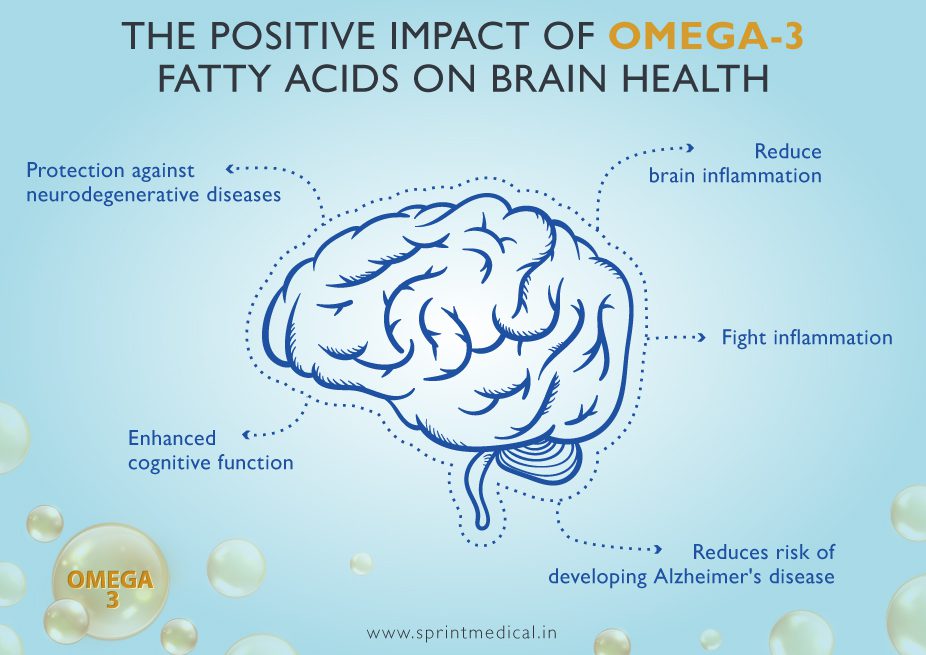
2️⃣ Enhances Brain Function
DHA is a structural component of the brain. Adequate intake may support:
Memory
Focus
Cognitive performance
Some research also explores its role in mood balance and mental clarity.
3️⃣ Reduces Inflammation
Chronic inflammation is linked to various health conditions. EPA plays a role in regulating inflammatory responses.
This is why many people consider the benefits of fish oil for:
Joint stiffness
Muscle recovery
General inflammatory support
4️⃣ Supports Joint Health
Omega-3 fatty acids may help reduce joint discomfort and stiffness, particularly in individuals experiencing age-related joint concerns.
While not a replacement for medical treatment, fish oil is commonly used as supportive care.
5️⃣ May Promote Eye Health
DHA is a key structural component of the retina. Adequate omega-3 intake may support eye moisture and visual function.
People who spend long hours on screens sometimes explore fish oil for eye comfort.
6️⃣ Supports Skin Health
Omega-3 fatty acids help maintain skin hydration and barrier function. Some individuals report improvements in:
Dry skin
Redness
Skin elasticity
Balanced nutrition plays a role in maintaining healthy skin appearance.
7️⃣ May Support Mood Balance
Emerging research explores how omega-3 fatty acids interact with brain chemistry.
Some studies suggest omega-3 intake may support emotional well-being, although more research continues in this area.
How Much Fish Oil Should You Take?
Recommended intake varies depending on health goals.
General guidelines often suggest:
250–500 mg combined EPA & DHA daily for healthy adults
Higher doses for triglyceride management should only be taken under medical supervision.
Always consult a healthcare provider before starting supplementation.
Natural Sources of Omega-3
While supplements are popular, omega-3 can also be obtained from:
Fatty fish (2–3 servings per week)
Chia seeds
Flaxseeds
Walnuts
Whole foods provide additional nutrients beyond omega-3.
Are There Any Side Effects?
Fish oil is generally well tolerated, but possible mild effects include:
Fishy aftertaste
Mild digestive discomfort
Nausea (if taken on an empty stomach)
Taking it with meals may reduce discomfort.
Who May Benefit Most?
Individuals with low fish intake
Those managing high triglycerides
Athletes focusing on recovery
Older adults
People experiencing joint discomfort
However, supplementation decisions should always be personalized.
Common Myths About Fish Oil
❌ More is always better
Excess intake does not necessarily mean greater benefit.
❌ Fish oil replaces healthy diet
Supplements support nutrition — they don’t replace balanced meals.
❌ Immediate results
Omega-3 benefits typically appear gradually with consistent intake.
Final Thoughts
Understanding the benefits of fish oil helps you make informed decisions about your health. From heart support and brain function to joint comfort and inflammation balance, omega-3 fatty acids play a crucial role in overall wellness.
Whether you choose fatty fish or supplements, consistency and moderation matter most. Always consult a healthcare professional before beginning new supplementation, especially if you have existing medical conditions.
Small nutritional adjustments can support long-term health in meaningful ways.