Watermelon Seeds Benefits: Nutrition, Uses, and Health Advantages You Should Know
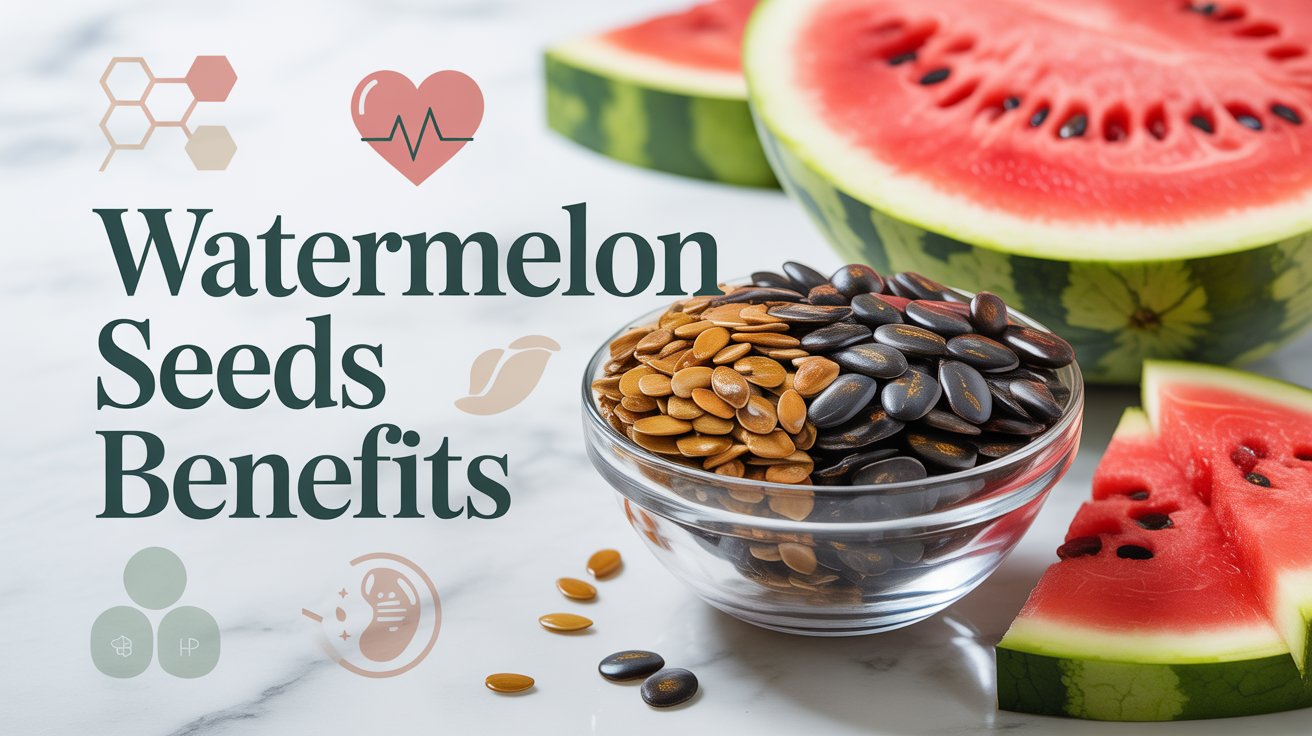
Table of Contents
Most people enjoy juicy watermelon and casually throw away the seeds without a second thought. Surprisingly, those tiny black or white seeds are packed with nutrition and powerful health properties. In fact, when consumed correctly, watermelon seeds can support heart health, improve digestion, boost immunity, and even enhance skin and hair quality.
In this detailed guide, we’ll explore watermelon seeds benefits, their nutritional value, how to consume them safely, and why they deserve a place in your daily diet.
Are Watermelon Seeds Good for You?
Yes, watermelon seeds are extremely beneficial when eaten in roasted, sprouted, or powdered form. Raw seeds are hard to digest, but once processed properly, they become a nutrient-dense food rich in protein, healthy fats, minerals, and antioxidants.
For centuries, traditional medicine systems have used seeds for improving stamina, kidney health, and overall vitality. Modern nutritional science also supports many of these claims.
Nutritional Value of Watermelon Seeds
Watermelon seeds contain an impressive range of nutrients in small quantities.
Key nutrients found in watermelon seeds:
Plant-based protein
Healthy unsaturated fats
Magnesium
Iron
Zinc
Potassium
B vitamins
Dietary fiber
This unique combination makes watermelon seeds a powerful addition to a balanced diet, especially for people looking for natural nutrition sources.
Top Watermelon Seeds Benefits for Health
1. Rich Source of Plant-Based Protein
One of the biggest watermelon seeds benefits is their protein content. Protein plays a vital role in muscle repair, hormone production, and maintaining healthy tissues.
Including watermelon seed powder or roasted seeds in your meals can help meet daily protein needs, especially for vegetarians.
2. Supports Heart Health
Watermelon seeds contain magnesium and healthy fats that help regulate blood pressure and maintain heart rhythm. Magnesium supports proper functioning of blood vessels and reduces the risk of cardiovascular stress.
Regular consumption may help improve cholesterol balance and support long-term heart health.
3. Helps Improve Digestion
Dietary fiber present in watermelon seeds supports healthy digestion. Fiber promotes regular bowel movements and helps prevent constipation.
When consumed in moderate amounts, watermelon seeds can help maintain a healthy gut environment and support nutrient absorption.
4. Strengthens Immunity
Zinc and iron found in watermelon seeds play a key role in immune system function. Zinc supports immune cell development, while iron helps transport oxygen in the blood.
These nutrients together help the body fight infections and reduce fatigue.
5. Aids in Weight Management
Another important watermelon seeds benefit is their ability to support weight control. The combination of protein, fiber, and healthy fats promotes satiety, helping you feel full for longer.
When eaten as a snack in roasted form, watermelon seeds can reduce unhealthy cravings.
6. Supports Healthy Skin and Hair
Watermelon seeds contain essential fatty acids and antioxidants that help nourish skin and hair from within.
Benefits for skin and hair include:
Improved skin hydration
Reduced dryness
Stronger hair roots
Better scalp health
Magnesium also plays a role in reducing stress, which can indirectly improve skin conditions.
7. Helps Maintain Blood Sugar Levels
Despite being nutrient-rich, watermelon seeds have a low glycemic impact when consumed in controlled portions. Their protein and fat content slow down sugar absorption in the bloodstream.
This makes them a suitable snack option for people managing blood sugar levels.
8. Supports Bone Health
Magnesium, phosphorus, and calcium present in watermelon seeds contribute to bone strength. These minerals help maintain bone density and reduce the risk of weakness with age.
Regular intake can support overall skeletal health, especially when combined with a balanced diet.
9. Boosts Energy Levels Naturally
Watermelon seeds are rich in B vitamins, which help convert food into energy. Iron content also helps prevent tiredness by improving oxygen circulation in the body.
This makes them a natural energy-boosting food without artificial stimulants.
10. Supports Kidney Function
In traditional wellness practices, watermelon seeds have been used to support kidney health. Their natural compounds may help promote healthy urine flow and reduce water retention when consumed responsibly.
How to Eat Watermelon Seeds Safely
Eating watermelon seeds the right way is important to unlock their benefits.
Best ways to consume watermelon seeds:
Roasted watermelon seeds: Lightly roast them for better digestion and taste
Seed powder: Dry and grind seeds to add to smoothies or food
Sprouted seeds: Sprouting improves nutrient absorption
Boiled seed tea: Used traditionally for kidney support
Avoid eating large quantities of raw seeds, as they may be hard to digest.
How Many Watermelon Seeds Should You Eat Daily?
Moderation is key. A small handful (about 1–2 tablespoons) of roasted or powdered watermelon seeds per day is sufficient to enjoy their benefits without overconsumption.
Excess intake may lead to digestive discomfort due to high fiber and fat content.
Watermelon Seeds Benefits for Men and Women
For men:
Supports muscle recovery
Helps maintain energy levels
Supports reproductive health due to zinc content
For women:
Helps improve iron levels
Supports bone strength
Enhances skin and hair health
Watermelon seeds are beneficial for both genders when included in a balanced diet.
Are Watermelon Seeds Safe for Everyone?
Watermelon seeds are generally safe for most people. However, individuals with digestive sensitivity should start with small amounts.
If you have any underlying health condition or are on medication, it’s best to consult a healthcare professional before adding new foods to your routine.
Common Myths About Watermelon Seeds
Myth: Watermelon seeds are harmful
Fact: Properly prepared seeds are highly nutritious
Myth: Seeds cause stomach problems
Fact: Overeating raw seeds may cause discomfort, but roasted or powdered seeds are easy to digest
Final Thoughts on Watermelon Seeds Benefits
Watermelon seeds are often overlooked, but they are a powerhouse of nutrition. From supporting heart health and digestion to improving skin, hair, and energy levels, the benefits are truly impressive.
By consuming them in the right form and quantity, you can turn what was once food waste into a valuable health asset. Including watermelon seeds in your daily routine is a simple, natural way to enhance overall wellness.
If you’re looking for an affordable, plant-based superfood, watermelon seeds deserve a spot in your kitchen.