

Feeling Tired and Getting Sick Often? Vitamin D Vitamin Benefits You Need to Know

Table of Contents
Vitamin D is often called the “sunshine vitamin,” but its importance goes far beyond sunlight. This essential nutrient plays a crucial role in maintaining strong bones, supporting immune defenses, and regulating several body functions. Yet, many people around the world have low vitamin D levels without even realizing it.
Understanding vitamin d vitamin benefits can help you appreciate why this nutrient deserves more attention in your daily health routine. Whether it’s improving bone density or enhancing mood stability, vitamin D influences multiple systems in the body.
Let’s explore what makes vitamin D so essential and how it supports overall well-being.
What Exactly Is Vitamin D?
Vitamin D is a fat-soluble vitamin that acts more like a hormone than a traditional nutrient. Your body produces it when your skin is exposed to sunlight, specifically ultraviolet B (UVB) rays. It can also be obtained through certain foods and dietary supplements.
Unlike water-soluble vitamins that leave the body quickly, vitamin D is stored in fat tissues and the liver. This makes maintaining proper levels especially important for long-term health.
Why Vitamin D Is So Important
Vitamin D supports several vital processes, including:
Calcium and phosphorus absorption
Bone mineralization
Immune system regulation
Muscle function
Inflammation control
Because of these roles, the list of vitamin d vitamin benefits continues to grow as research evolves.
Key Vitamin D Vitamin Benefits
1. Strengthens Bones and Teeth
One of the most well-known functions of vitamin D is supporting calcium absorption. Without enough vitamin D, your body cannot effectively use calcium from food.
This may increase the risk of:
Weak bones
Bone fractures
Osteoporosis
Rickets in children
Maintaining proper levels helps ensure strong skeletal development and long-term bone health.
2. Supports a Healthy Immune System
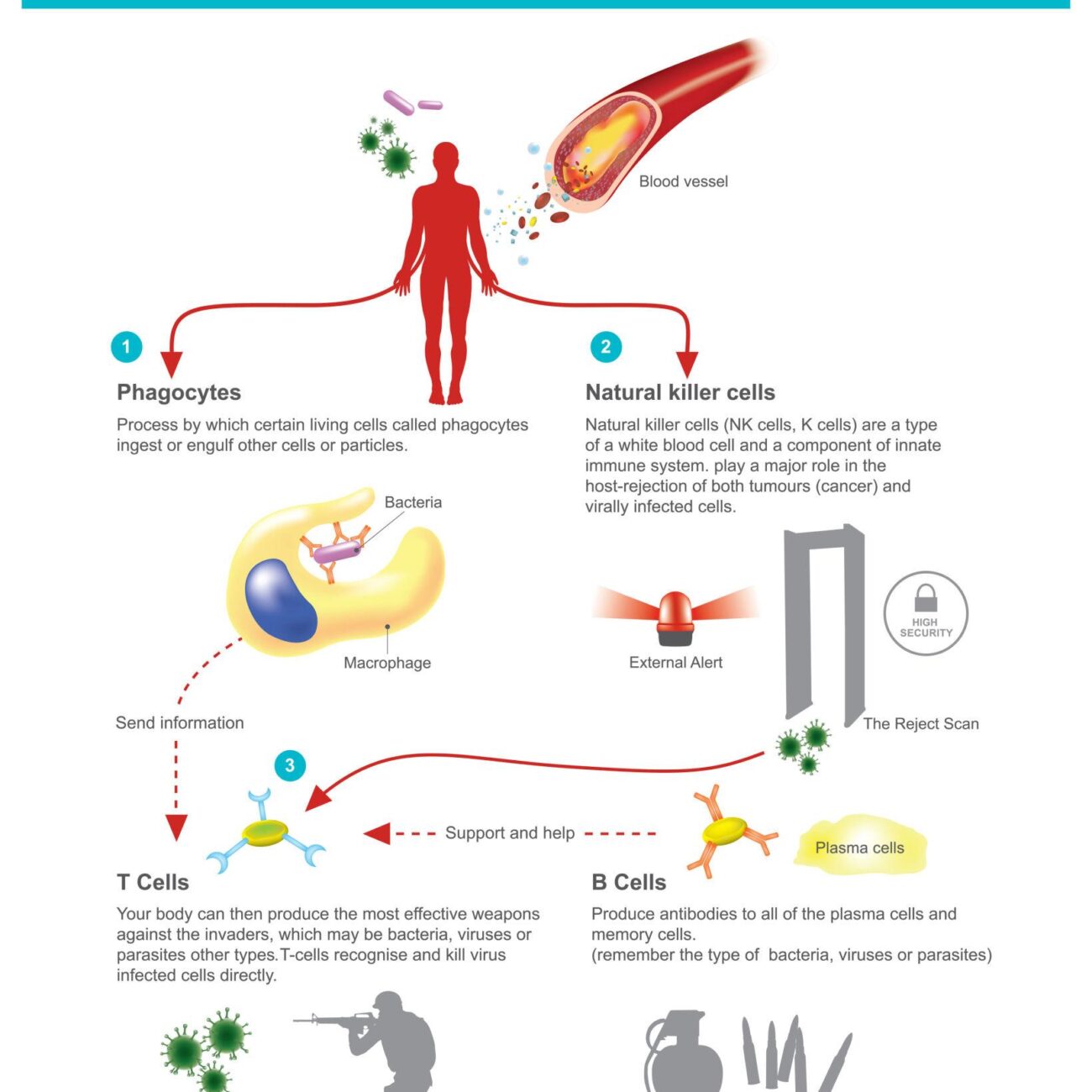
Vitamin D plays a role in activating immune cells that protect the body against infections. It helps regulate immune responses and reduce excessive inflammation.
People with adequate vitamin D levels may experience:
Better immune balance
Reduced susceptibility to seasonal illnesses
Improved recovery support
These immune-related vitamin d vitamin benefits highlight its importance beyond bone health.
3. Promotes Muscle Function
Vitamin D receptors are found in muscle tissue. Low levels may contribute to muscle weakness, especially in older adults.
Healthy vitamin D levels support:
Better coordination
Reduced risk of falls
Improved physical performance
Muscle strength is a lesser-known but important advantage of maintaining sufficient vitamin D.

4. May Support Mood and Mental Health
Sunlight exposure has long been associated with improved mood. Since sunlight triggers vitamin D production, researchers believe there may be a link between vitamin D levels and emotional well-being.
Low levels have been associated with mood fluctuations and seasonal mood changes. Maintaining balanced vitamin D may support mental clarity and emotional stability.
5. Contributes to Heart Health
Vitamin D may help regulate blood pressure and support cardiovascular function. While research continues, balanced levels are believed to contribute to overall heart health.
This makes heart support another possible benefit in the broader scope of vitamin d vitamin benefits.
6. Helps Regulate Inflammation
Vitamin D influences inflammatory responses within the body. Chronic inflammation is linked to various health conditions, so maintaining balanced levels may help support overall wellness.
Signs of Vitamin D Deficiency
Vitamin D deficiency can develop gradually and may go unnoticed. Some possible signs include:
Ongoing fatigue
Bone or back discomfort
Muscle weakness
Frequent infections
Mood changes
Since symptoms can be subtle, blood testing is the most accurate way to determine levels.
Natural Sources of Vitamin D
Sunlight
Spending moderate time in sunlight is the most natural way to increase vitamin D levels. The amount needed varies based on skin type, location, and season.
Fatty Fish
Salmon, tuna, sardines, and mackerel are among the richest dietary sources.
Egg Yolks
Egg yolks contain small but beneficial amounts of vitamin D.
Fortified Foods
Some dairy products, plant-based milk alternatives, cereals, and juices are fortified with vitamin D.
Including these options supports the long-term vitamin d vitamin benefits naturally.
How Much Vitamin D Do You Need?
General recommendations vary depending on age and health status. Many adults require around 600–800 IU daily, though some individuals may need more based on medical advice.
Personal needs depend on:
Sun exposure
Skin pigmentation
Age
Medical conditions
Consulting a healthcare provider helps determine appropriate intake.
Who Is More Likely to Have Low Vitamin D?
Certain groups face higher risk of deficiency:
Individuals with limited outdoor exposure
Older adults
People with darker skin tones
Those living in colder climates
Individuals with digestive disorders
Awareness and testing can help prevent long-term issues.
Can Too Much Vitamin D Be Harmful?
While deficiency is common, excessive supplementation can also be problematic. Vitamin D toxicity may lead to high calcium levels and other complications.
Always follow professional guidance before taking high-dose supplements.
Lifestyle Tips to Support Healthy Levels
To maximize the natural advantages of vitamin D:
Spend safe time outdoors
Include fatty fish in meals
Eat fortified foods when needed
Maintain balanced nutrition
Get regular health checkups
Consistency is more effective than occasional high intake.
Why Awareness Matters
Vitamin D deficiency often goes undetected because symptoms can be mild or nonspecific. Over time, low levels may affect bone density, immune resilience, and overall vitality.
By understanding vitamin d vitamin benefits, you can make informed decisions that support long-term wellness rather than waiting for symptoms to appear.
Final Thoughts
Vitamin D plays a vital role in maintaining strong bones, supporting immune defense, promoting muscle function, and contributing to overall health. Although commonly known as the sunshine vitamin, its impact extends far beyond sun exposure.
Taking steps to maintain balanced levels through safe sunlight, nutritious foods, and medical guidance when needed can protect your health for years to come. Small daily habits often create the biggest long-term results.
Your body depends on essential nutrients like vitamin D—prioritizing them today supports a healthier tomorrow.
Medical Disclaimer
This article is for educational purposes only and should not be considered medical advice. Always consult a qualified healthcare professional before starting supplements or making changes to your diet or health routine.