Feeling Tired, Weak & Low on Energy? Testosterone Booster Food That Can Help Naturally

testosterone booster food

Table of Contents

Testosterone plays a vital role in overall health—not just for men, but for women as well. It supports muscle growth, bone density, energy levels, mood stability, and metabolic function. However, modern lifestyle habits such as poor diet, stress, lack of sleep, and inactivity can negatively impact hormone balance.

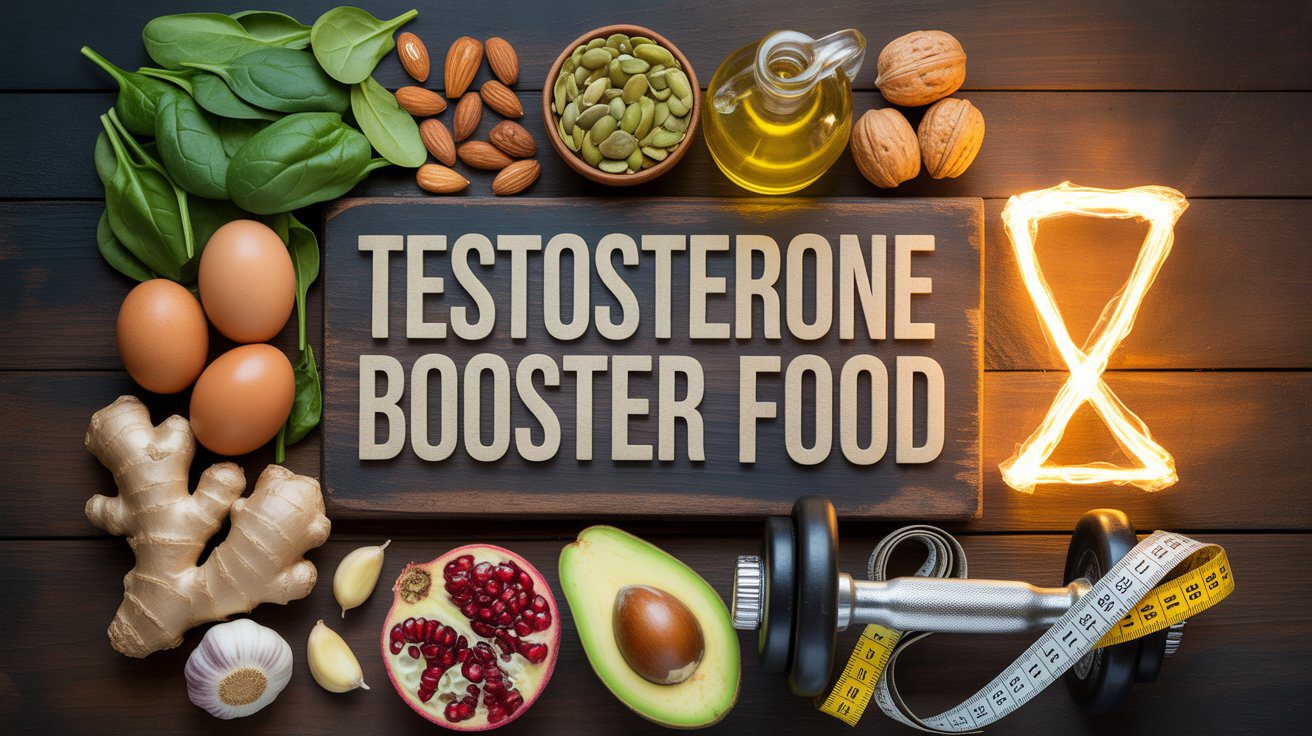
Before turning to supplements, many people are now looking at nutrition first. The right testosterone booster food choices can support natural hormone production and overall wellness without synthetic products.

Let’s explore how diet affects testosterone and which foods may help support healthy levels naturally.

Why Testosterone Matters

Testosterone is a hormone responsible for:

  • Muscle development

  • Fat distribution

  • Bone strength

  • Red blood cell production

  • Libido and reproductive health

  • Energy and mood regulation

Low testosterone levels may lead to fatigue, reduced muscle mass, low motivation, and mood changes. While medical causes should always be discussed with a healthcare provider, nutrition plays a meaningful role in hormone balance.

Can Food Really Support Testosterone Levels?

Yes—but with realistic expectations.

Certain nutrients are directly involved in hormone production. A diet lacking in these nutrients may contribute to reduced testosterone levels. Choosing the right testosterone booster food can help support the body’s natural production processes.

Important nutrients for testosterone support include:

  • Zinc

  • Vitamin D

  • Magnesium

  • Healthy fats

  • Protein

  • Antioxidants

Now let’s explore the foods rich in these nutrients.

Top Testosterone Booster Foods to Add to Your Diet

1. Eggs

Eggs are rich in protein and contain vitamin D in the yolk. Vitamin D plays an important role in hormone regulation. The healthy fats in eggs also support testosterone production.

Eating whole eggs in moderation can be a smart addition to a hormone-supportive diet.

testosterone booster food

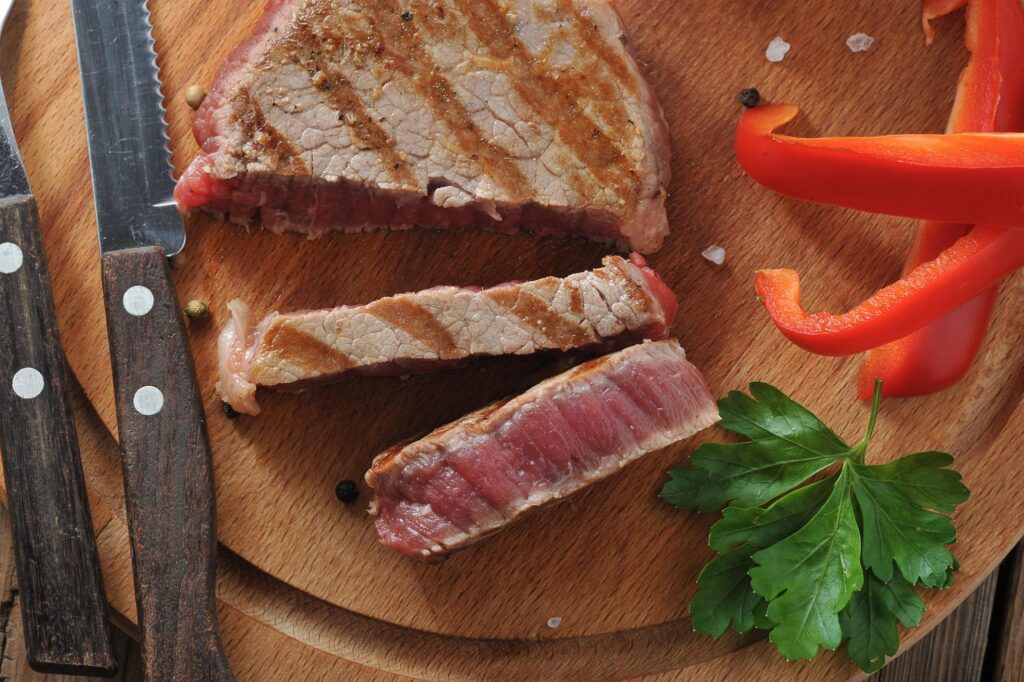
2. Lean Red Meat

Lean red meat is an excellent source of zinc—a mineral directly linked to testosterone production. Zinc deficiency is often associated with lower hormone levels.

Choose lean cuts and avoid excessive consumption to maintain balance.

testosterone booster food

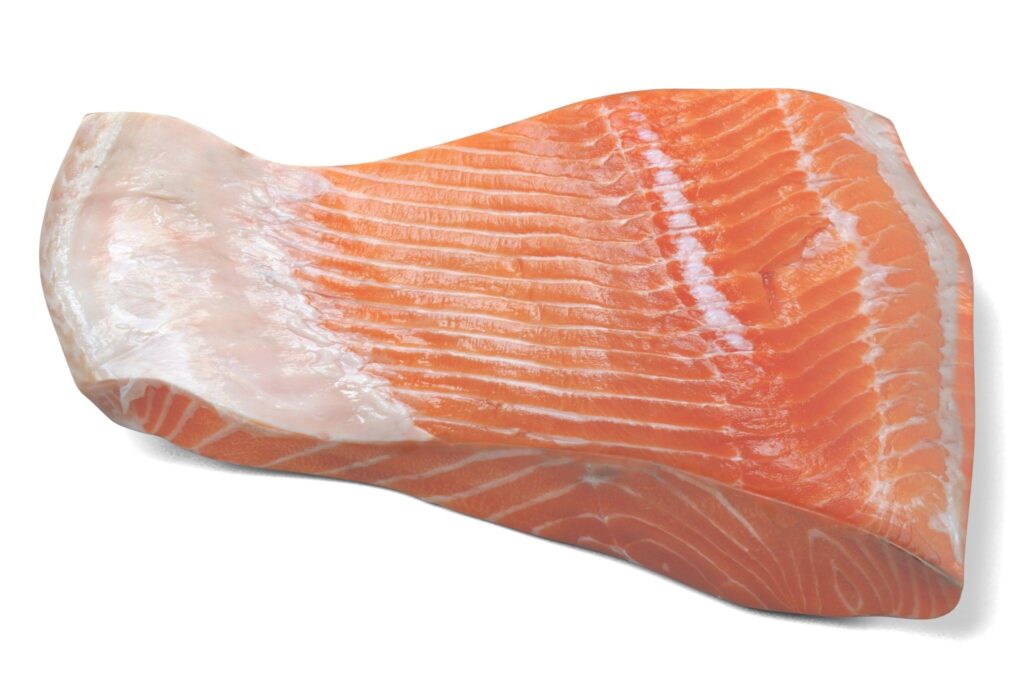
3. Fatty Fish

Fatty fish like salmon and mackerel provide omega-3 fatty acids and vitamin D. Healthy fats are essential for hormone synthesis.

Including fish twice a week supports overall hormone health and cardiovascular wellness.

testosterone booster food

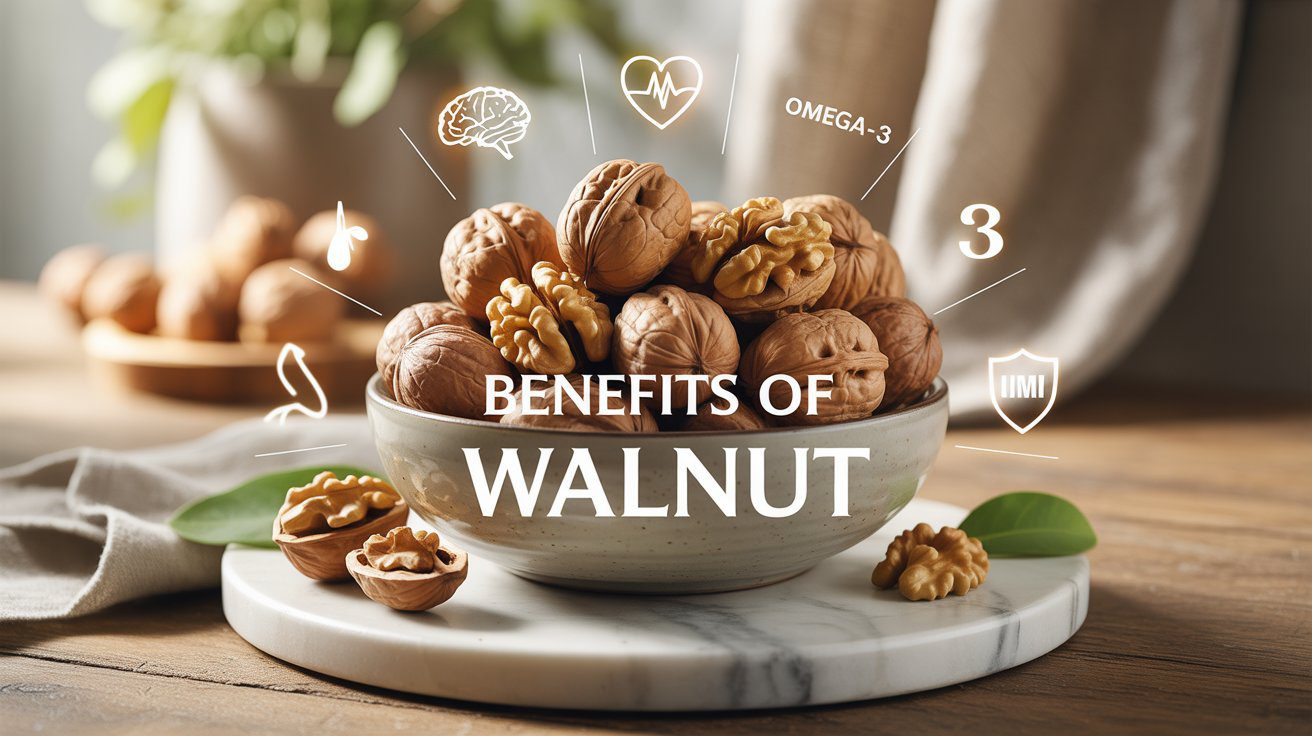
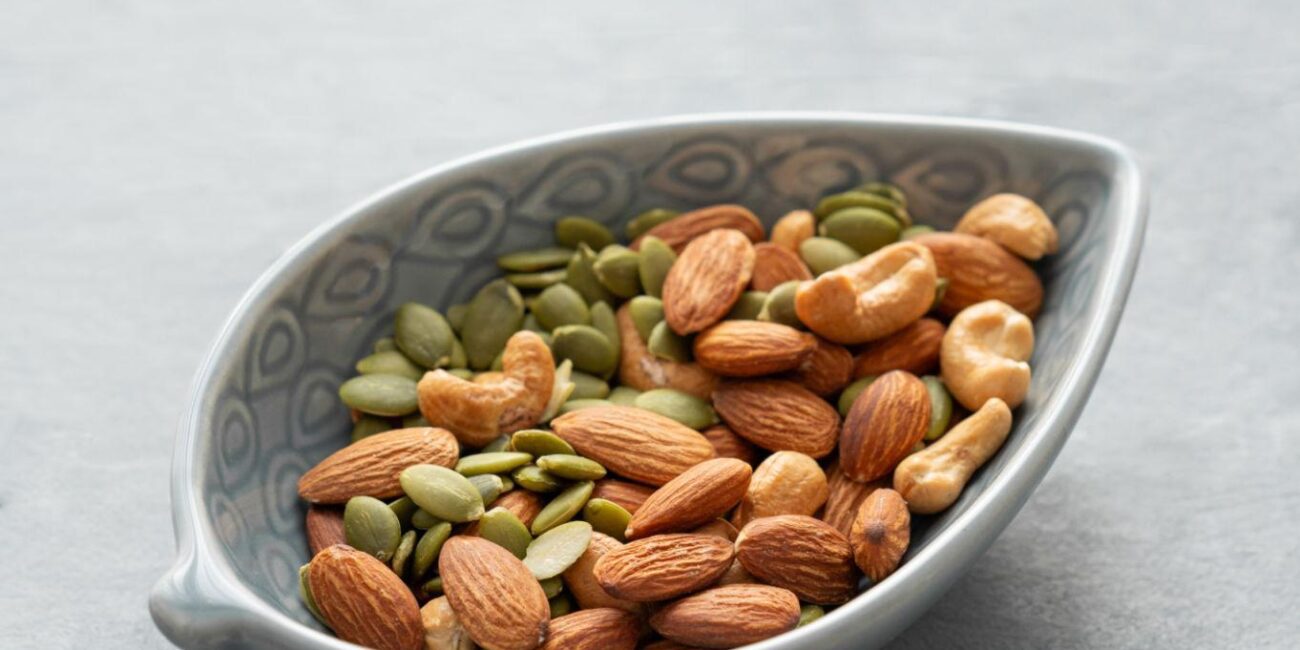
4. Nuts and Seeds

Pumpkin seeds, almonds, and walnuts contain magnesium and zinc. These minerals support healthy testosterone levels and reduce inflammation.

They also provide healthy fats that support metabolic balance.

testosterone booster food

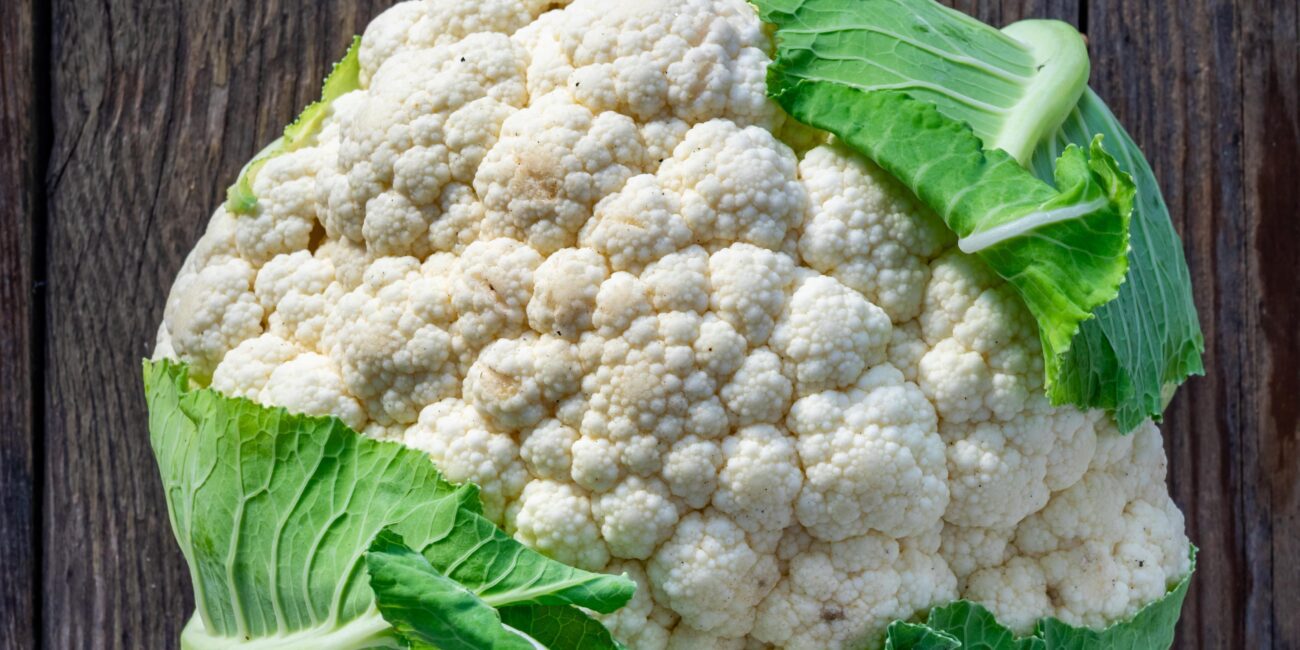
5. Cruciferous Vegetables

Vegetables like broccoli and cauliflower help regulate estrogen levels in the body. Balanced estrogen supports healthy testosterone function.

Adding greens regularly supports overall hormonal balance.

testosterone booster food

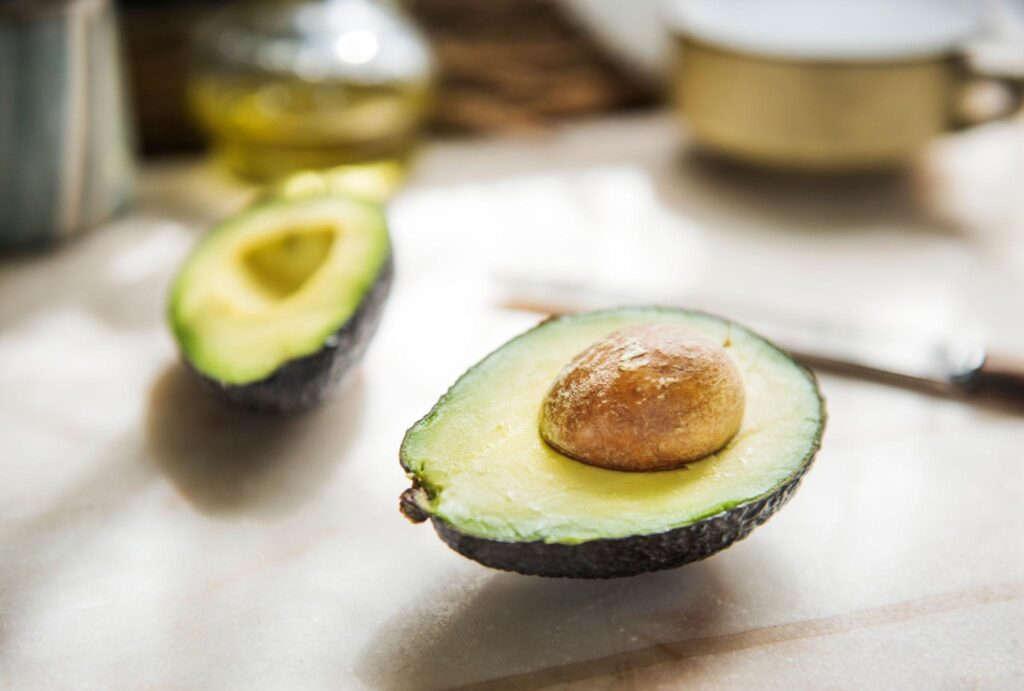
6. Avocados

Avocados are rich in healthy monounsaturated fats and vitamin B6, both important for hormone production.

They also support heart health and metabolic function.

testosterone booster food

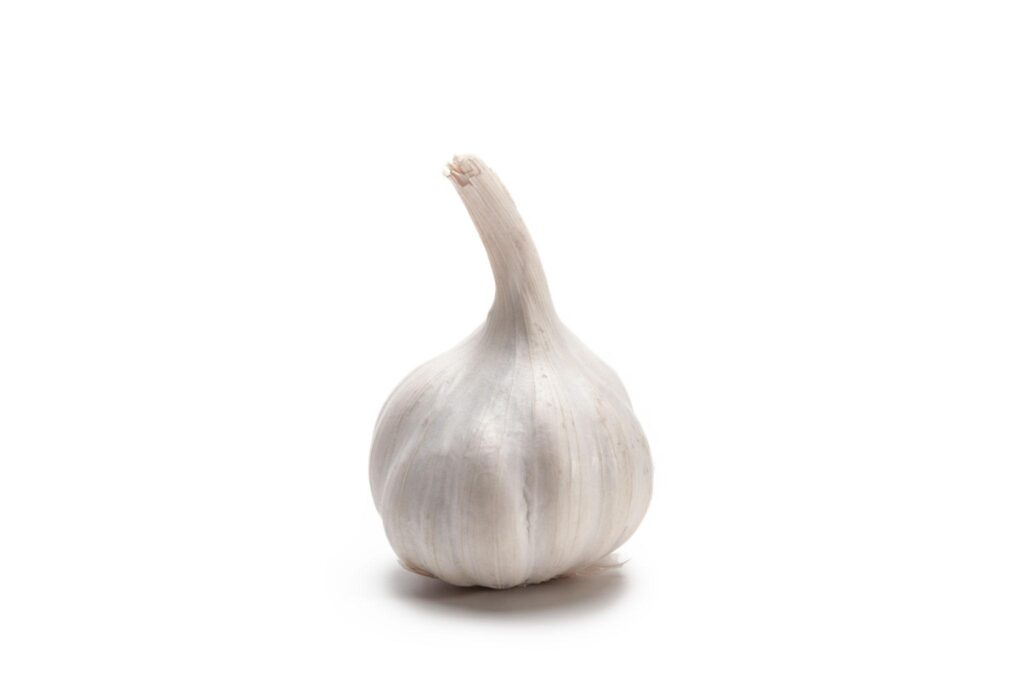
7. Garlic

Garlic contains allicin, which may help reduce cortisol levels. Lower stress hormone levels can support better testosterone balance.

Adding garlic to meals is a simple dietary improvement.

testosterone booster food

Lifestyle Factors That Support Testosterone

Diet works best when combined with healthy habits.

To maximize the effects of testosterone booster food, focus on:

  • Regular strength training

  • Quality sleep (7–9 hours)

  • Stress management

  • Maintaining a healthy weight

  • Avoiding excessive alcohol

Hormone health depends on overall lifestyle balance.

Foods to Limit for Better Hormone Health

Certain foods may negatively impact testosterone levels if consumed excessively:

  • Highly processed foods

  • Excess sugar

  • Trans fats

  • Excessive alcohol

Balance and moderation are key.

How Long Does It Take to See Results?

Natural dietary changes take time. Improvements in energy, strength, and mood may become noticeable within a few weeks of consistent habits.

Hormone levels fluctuate naturally, so sustainable lifestyle changes matter more than quick fixes.

When to Seek Medical Advice

If symptoms of low testosterone persist—such as severe fatigue, mood changes, or loss of muscle mass—consult a healthcare professional. Blood tests may be necessary to evaluate hormone levels accurately.

Food supports health, but medical conditions require professional guidance.

Final Thoughts

Choosing the right testosterone booster food is about nourishing your body with essential nutrients that support hormone balance. Eggs, lean meats, fatty fish, nuts, vegetables, and healthy fats all contribute to a supportive environment for natural testosterone production.

Instead of relying immediately on supplements, start with whole foods and consistent habits. Combined with strength training, sleep, and stress management, nutrition can play a powerful role in maintaining energy, strength, and vitality.

Small daily improvements lead to long-term results.

Leave a Reply

Your email address will not be published. Required fields are marked *