

Symptoms of High Uric Acid: Early Signs, Causes, and Prevention You Should Know

High uric acid is a silent health issue that often goes unnoticed until it starts causing pain and discomfort. Many people live with elevated uric acid levels without realizing it, only discovering the problem when symptoms suddenly appear.
Understanding the symptoms of high uric acid, why it happens, and how to prevent it can help you protect your joints, kidneys, and overall health in the long run.
This guide explains everything in a simple, practical way—without medical jargon—so you can recognize the warning signs early and take action naturally.
What Is Uric Acid?
Uric acid is a natural waste product formed in the body when purines are broken down. Purines are substances found naturally in the body and in many foods such as red meat, seafood, organ meats, and alcohol.
Normally:
Uric acid dissolves in the blood
It travels to the kidneys
It leaves the body through urine
Problems begin when:
The body produces too much uric acid, or
The kidneys fail to remove it efficiently
This leads to high uric acid levels, also known as hyperuricemia.
How Does High Uric Acid Develop?
High uric acid does not appear overnight. It develops gradually due to a mix of lifestyle habits, diet, and internal body functions.
Common Causes of High Uric Acid
Excessive consumption of purine-rich foods
Frequent alcohol intake (especially beer)
Sugary drinks with high fructose content
Dehydration
Obesity or rapid weight gain
Kidney problems
Genetic factors
Certain medications (diuretics, aspirin in low doses)
When uric acid remains high for a long time, it starts forming sharp crystals that deposit in joints and tissues, leading to pain and inflammation.
Symptoms of High Uric Acid in the Body
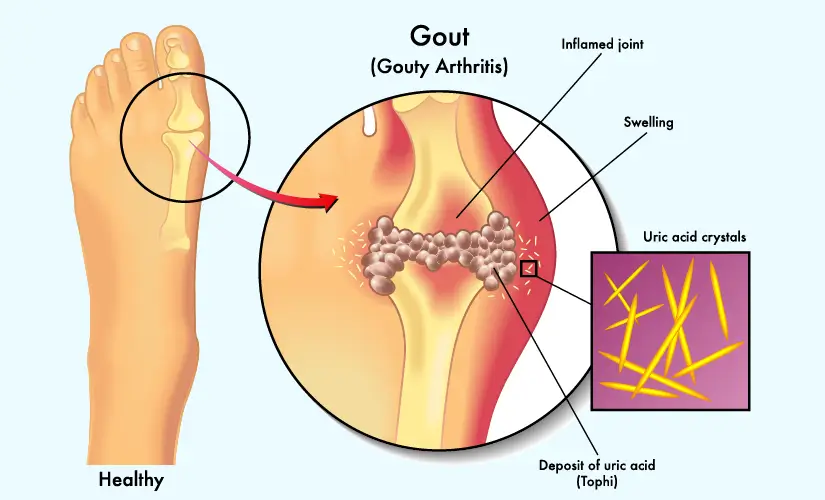
The symptoms of high uric acid can range from mild discomfort to severe pain. Some people experience early warning signs, while others notice symptoms only during sudden flare-ups.
1. Joint Pain and Swelling
One of the most common signs is intense joint pain, especially in:
Big toe
Ankles
Knees
Fingers
Wrists
The pain often starts suddenly and can feel sharp, burning, or throbbing.
2. Gout Attacks
High uric acid is the main cause of gout, a form of inflammatory arthritis. Gout attacks usually:
Begin at night
Cause severe pain within hours
Make the joint red, swollen, and extremely sensitive
Even the weight of a bedsheet can feel unbearable.
3. Stiffness and Limited Movement
As uric acid crystals build up, joints may feel:
Stiff in the morning
Hard to move
Painful during walking or gripping objects
This can affect daily activities and reduce mobility over time.
4. Redness and Warmth Around Joints
Affected joints often appear:
Red or shiny
Warm to the touch
Inflamed for days or weeks
This inflammation is the body’s response to uric acid crystal deposits.
Other Hidden Symptoms of High Uric Acid

High uric acid doesn’t only affect joints—it can also impact other organs.
5. Kidney Stones
Excess uric acid can crystallize in the kidneys, leading to:
Sharp lower back pain
Pain while urinating
Blood in urine
Frequent urge to urinate
Uric acid kidney stones can become serious if ignored.
6. Fatigue and Weakness
Persistent high uric acid may cause:
Low energy levels
Body heaviness
General weakness
Inflammation and metabolic imbalance contribute to this constant tired feeling.
7. Frequent Urination or Burning Sensation
Increased uric acid excretion can irritate the urinary tract, causing discomfort during urination.
Symptoms of High Uric Acid in Men and Women
While symptoms are similar, their intensity may differ.
In Men
More frequent gout attacks
Severe joint inflammation
Higher risk due to alcohol and dietary habits
In Women
Symptoms often appear after menopause
Slower onset but longer-lasting joint pain
Often mistaken for arthritis
How Is High Uric Acid Diagnosed?
Doctors usually diagnose high uric acid through:
Blood tests
Urine tests
Imaging tests if joint damage is suspected
Normal uric acid levels:
Men: 3.4–7.0 mg/dL
Women: 2.4–6.0 mg/dL
Consistently high levels increase the risk of gout and kidney disease.
How Can You Prevent High Uric Acid Naturally?
The good news is that high uric acid can often be controlled naturally with the right habits.
1. Improve Your Diet
Limit foods that increase uric acid:
Red meat
Organ meats
Shellfish
Fried and processed foods
Add uric acid-friendly foods:
Fresh fruits (especially cherries)
Vegetables
Whole grains
Low-fat dairy
2. Stay Well Hydrated
Drinking enough water helps kidneys flush out excess uric acid efficiently.
Aim for 8–10 glasses daily, more if you are physically active.
3. Reduce Alcohol and Sugary Drinks
Alcohol and fructose-rich beverages slow uric acid removal and increase crystal formation.
4. Maintain a Healthy Weight
Gradual weight loss helps reduce uric acid levels naturally and lowers stress on joints.
5. Exercise Regularly (But Avoid Overexertion)
Moderate physical activity improves metabolism and kidney function without triggering flare-ups.
When Should You See a Doctor?
If you experience:
Repeated joint pain
Sudden swelling
Kidney pain
Frequent gout attacks
Consult a healthcare professional early. Timely management prevents long-term complications.
Final Thoughts
The symptoms of high uric acid often start quietly but can lead to painful and life-disrupting conditions if ignored. Recognizing early signs, understanding why uric acid increases, and making simple lifestyle changes can protect your joints, kidneys, and overall well-being.
Small, consistent habits—better food choices, hydration, and movement—go a long way in keeping uric acid under control.
Listening to your body today can save you from serious discomfort tomorrow.