Trying to Lose Weight but Love Poha? Poha Nutritional Value Per 100g You Must Know
Table of Contents
Poha is one of the most loved Indian breakfast dishes. Light, easy to prepare, and comforting, it has been a household staple for generations. But if you’re tracking calories, managing weight, or improving your diet, you may be wondering: is poha actually healthy?
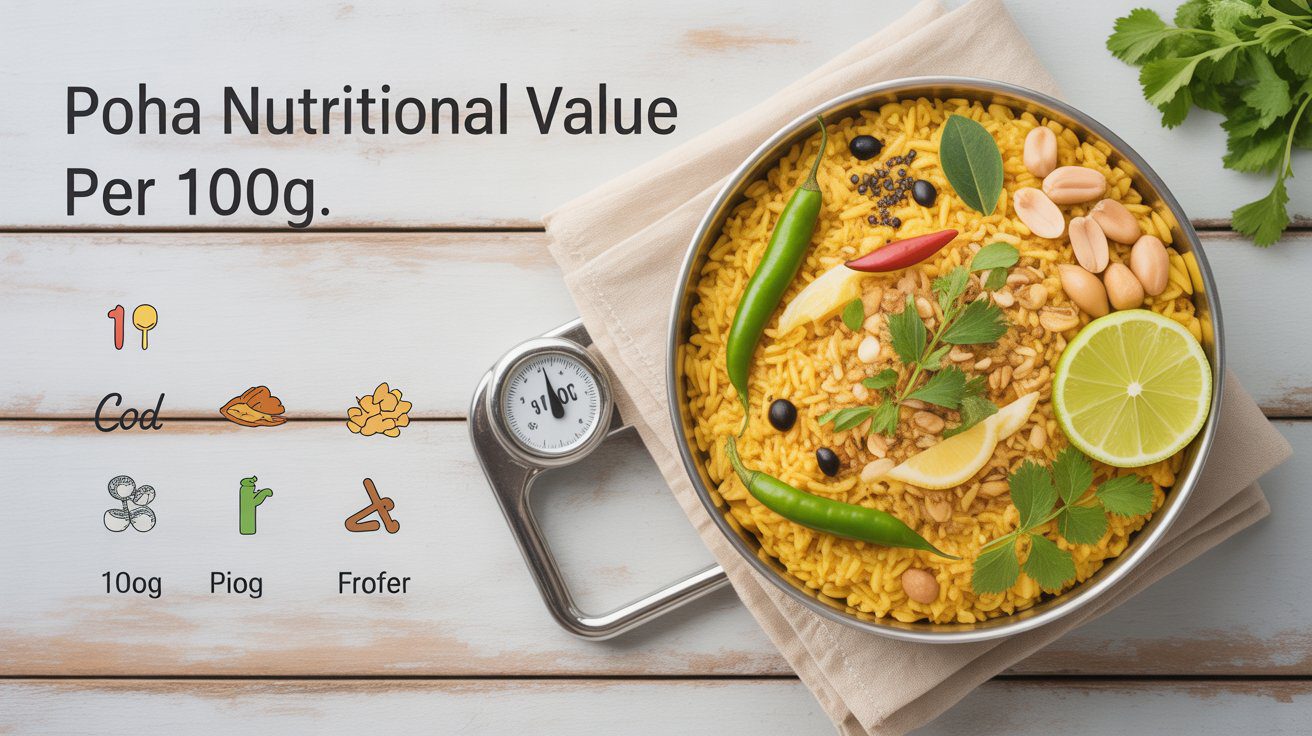
Understanding the poha nutritional value per 100g can help you decide whether it fits into your daily meal plan. Let’s explore its calorie content, macronutrients, micronutrients, and how it compares to other breakfast options.

What Is Poha?
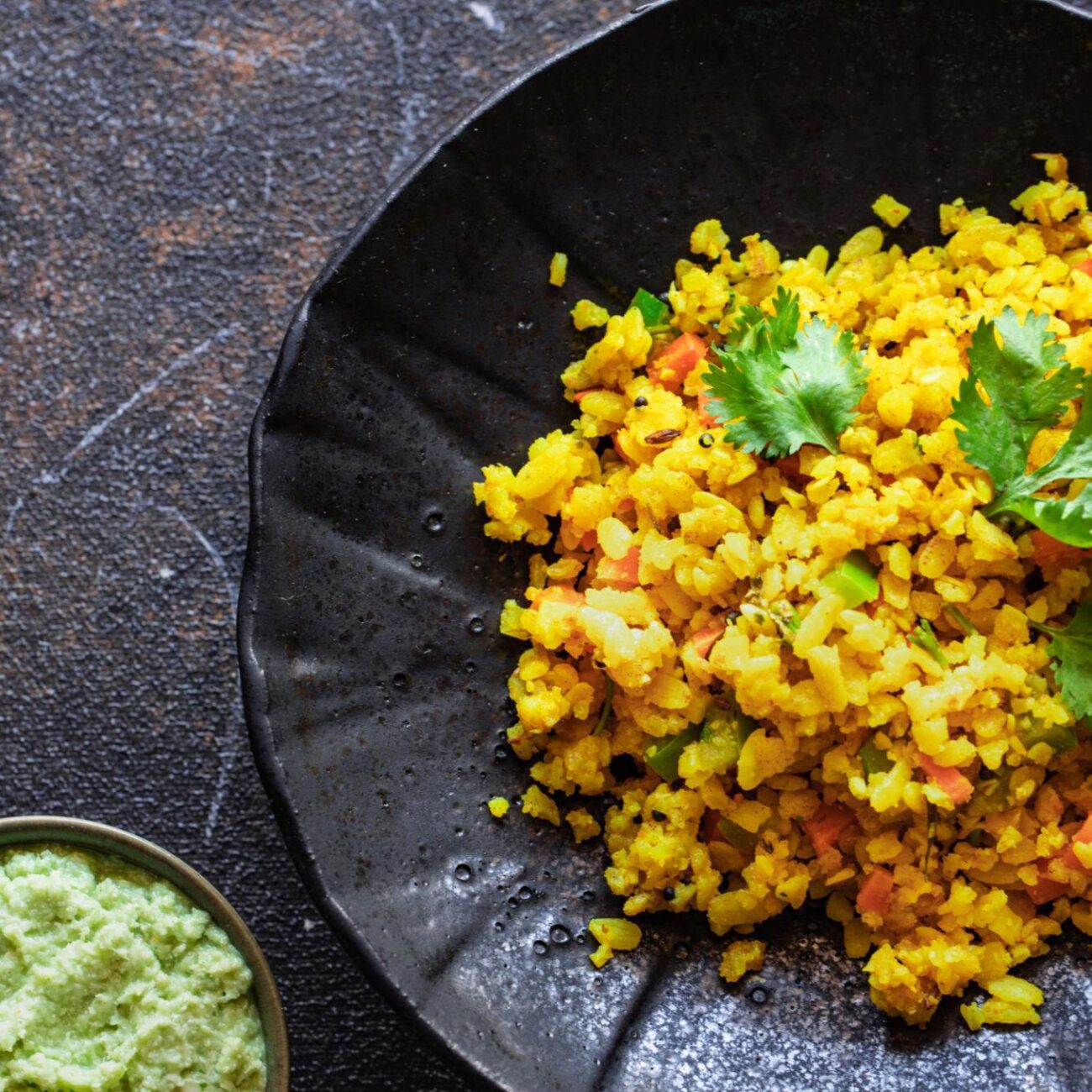
Poha is made from flattened rice, also known as beaten rice. Rice grains are parboiled, rolled, flattened, and dried to create thin flakes that cook quickly.
It is commonly prepared with:
Mustard seeds
Curry leaves
Peanuts
Onions
Turmeric
Lemon juice
Its versatility makes it a popular breakfast or light snack.
Poha Nutritional Value Per 100g (Raw)
Here is the approximate nutritional breakdown of 100 grams of raw poha:
Calories: 350–370 kcal
Carbohydrates: 75–77g
Protein: 6–7g
Fat: 1–2g
Fiber: 1–2g
Iron: Moderate amount
When discussing poha nutritional value per 100g, most references refer to raw flattened rice before cooking.
Poha Nutritional Value Per 100g (Cooked)
After cooking (with minimal oil and vegetables), the nutritional value changes because water increases the total weight.
Cooked Poha (100g prepared):
Calories: 130–180 kcal
Carbohydrates: 22–25g
Protein: 2–3g
Fat: 3–5g (depending on oil used)
Fiber: 2–3g
Cooking method significantly affects final calorie content.
Macronutrients in Poha
1. Carbohydrates
Poha is primarily a carbohydrate-rich food. These carbs provide quick energy, making it suitable as a morning meal.
However, since it is made from white rice, it has a moderate glycemic index.
2. Protein Content
With about 6–7 grams of protein per 100g (raw), poha is not considered a high-protein food. Adding peanuts, sprouts, or yogurt can improve protein balance.
3. Fat Content
Poha itself is low in fat. Most fat comes from added oil or peanuts during preparation.
Is Poha Good for Weight Loss?
Many people wonder whether poha supports weight management.
Why It Can Help:
Light and easy to digest
Moderate calorie density
Can be portion-controlled
When It May Not Help:
Excess oil is used
Large portion sizes
Low protein pairing
To make poha weight-loss friendly:
- Use minimal oil
- Add vegetables
- Include protein sources
Understanding the poha nutritional value per 100g helps manage portion sizes effectively.
Iron Content in Poha
One interesting aspect of poha is that it may contain iron due to processing methods. Iron supports oxygen transport and energy levels.
Pairing poha with lemon juice increases iron absorption due to vitamin C content.
Fiber and Digestion
Poha contains small amounts of fiber. Adding vegetables like peas, carrots, and onions improves fiber content and digestion.
Higher fiber improves satiety and gut health.
Poha vs Other Breakfast Options
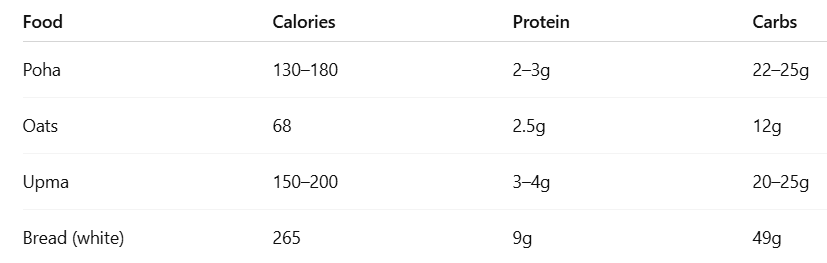
Here’s a rough comparison per 100g cooked:
Poha is moderate in calories and lighter compared to many fried breakfast items.
Is Poha Suitable for Diabetics?
Because poha is made from rice, it can raise blood sugar levels if consumed in large portions.
To make it more diabetes-friendly:
Add protein and fiber
Avoid excessive potatoes
Keep portion sizes moderate
Consulting a healthcare provider is recommended for personalized advice.
How to Make Poha Healthier
Here are some smart improvements:
Add sprouts for extra protein
Use roasted peanuts instead of fried
Include vegetables for fiber
Reduce oil quantity
Pair with curd for protein balance
Small modifications significantly improve nutritional quality.
Who Should Include Poha in Their Diet?
Poha is suitable for:
Individuals needing quick energy
People seeking light breakfast options
Those wanting affordable meal choices
Busy individuals needing fast preparation
However, athletes or high-protein diet followers may need to supplement protein.
Common Myths About Poha
❌ Myth: Poha is unhealthy because it’s rice
✔ Truth: It can be part of a balanced diet when portion-controlled.
❌ Myth: Poha causes weight gain
✔ Truth: Excess calories cause weight gain, not one specific food.
Final Thoughts
Understanding the poha nutritional value per 100g helps you make smarter dietary decisions. Raw poha provides around 350–370 calories per 100g, mostly from carbohydrates. Once cooked, its calorie density drops due to water absorption.
Poha can be a healthy breakfast option when prepared with minimal oil and balanced with vegetables and protein. Like any food, portion control and preparation style determine its overall health impact.
Balanced meals—not extreme restrictions—create sustainable results.
Disclaimer
This article is for informational purposes only and should not replace professional dietary advice. Consult a healthcare provider or registered dietitian before making major dietary changes.