
Dark Spots Not Fading? Pigmentation Serum That Can Help You Get Clearer Skin
Table of Contents
Uneven skin tone can affect anyone. Whether it’s acne marks, sun spots, melasma, or post-inflammatory hyperpigmentation, dark patches often feel stubborn and slow to improve. Many people try random creams or home remedies without seeing consistent results.
That’s where a targeted pigmentation serum can make a difference. Unlike regular moisturizers, serums are lightweight, concentrated formulas created to address specific skin concerns. When chosen correctly and used consistently, they may help reduce discoloration and restore a more even complexion.
Let’s understand how pigmentation forms, how serums work, and how to choose one that suits your skin.
What Causes Skin Pigmentation?
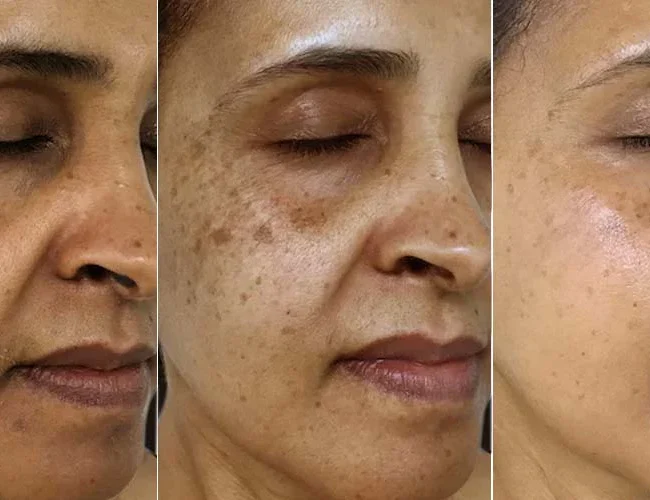
Pigmentation happens when melanin — the pigment responsible for skin color — is produced unevenly. When certain areas generate excess melanin, dark patches or spots become visible.
Common triggers include:
Prolonged sun exposure
Acne scars
Hormonal changes
Skin inflammation
Aging
Improper skincare use
Identifying the cause is important because different types of pigmentation respond differently to treatment.
What Is a Pigmentation Serum?
A pigmentation serum is a concentrated skincare product designed to target uneven tone and dark spots. Because serums have smaller molecular structures compared to creams, they penetrate deeper into the skin.
Most formulas focus on:
Reducing excess melanin production
Fading visible dark spots
Improving overall brightness
Supporting skin renewal
The key to effectiveness lies in the ingredients.
Key Ingredients That Support Pigmentation Control
Vitamin C
Vitamin C is a powerful antioxidant that helps brighten dull skin and protect against environmental damage. It supports collagen production and may gradually reduce dark spots caused by sun exposure.
Best suited for:
Sun damage
Dull complexion
Early-stage discoloration
Niacinamide
Niacinamide (Vitamin B3) helps regulate melanin transfer within the skin. It also strengthens the skin barrier and reduces redness.
Suitable for:
Sensitive skin
Acne marks
Uneven tone
Alpha Arbutin
Alpha arbutin works by slowing down melanin production. It is often recommended for targeting stubborn pigmentation without irritating the skin.
Kojic Acid
Kojic acid is derived from fungi and is known for brightening properties. It may help lighten hyperpigmented areas when used consistently.
Retinol
Retinol encourages skin cell turnover. By speeding up renewal, it helps fade dark patches over time. However, it should be introduced gradually to avoid irritation.
Benefits of Using a Pigmentation Serum
1. Targets Discoloration Directly
Unlike general creams, a pigmentation serum focuses specifically on uneven tone.
2. Lightweight and Fast-Absorbing
It layers easily under moisturizer and sunscreen.
3. Improves Skin Texture
Regular use may lead to smoother, more refined skin.
4. Supports Brighter Complexion
Consistent application may reduce dullness over time.
How to Use a Pigmentation Serum Properly
To maximize results:
Cleanse your face thoroughly.
Apply 2–3 drops of serum on dry skin.
Gently pat until absorbed.
Follow with moisturizer.
Use sunscreen during the day.
Sunscreen is non-negotiable. Without protection, UV exposure can worsen pigmentation and undo progress.
How Long Does It Take to See Results?
Skin renewal typically takes about 4–6 weeks. Visible improvements may begin within a month, but deeper pigmentation can take several months.
Consistency matters more than frequency. Using too many actives at once can irritate the skin and delay progress.
Choosing the Right Pigmentation Serum for Your Skin Type
Oily or Acne-Prone Skin
Look for lightweight, non-comedogenic formulas with niacinamide or vitamin C.
Dry Skin
Choose hydrating ingredients combined with brightening agents.
Sensitive Skin
Start with lower concentrations and patch test before full application.
Understanding your skin type helps prevent irritation and ensures better results.
Common Mistakes to Avoid
Skipping sunscreen
Over-layering active ingredients
Using harsh exfoliants daily
Expecting overnight transformation
Skin repair takes time. Gentle and steady care yields better long-term improvement.
Can Pigmentation Be Completely Removed?
In many cases, pigmentation can be significantly reduced. However, complete removal depends on the depth of discoloration and underlying causes.
Early intervention often produces better outcomes. Severe melasma or persistent dark patches may require professional treatment.
Natural Remedies vs Clinical Serums
Natural ingredients like aloe vera, turmeric, and licorice extract may offer mild brightening effects. However, clinically formulated serums provide more consistent results due to controlled concentrations of active ingredients.
Dermatologist-recommended options often undergo safety and efficacy testing.
When to Consult a Professional
If pigmentation spreads rapidly, becomes darker, or does not respond to over-the-counter products, consult a dermatologist. Professional evaluation ensures proper diagnosis and tailored treatment.
Final Thoughts
A well-formulated pigmentation serum can support clearer and more even-looking skin when used consistently. Ingredients such as vitamin C, niacinamide, and alpha arbutin help regulate melanin production and improve overall brightness.
While results take time, patience and sun protection make a significant difference. Instead of chasing quick fixes, focus on steady skincare habits that protect and nourish your skin.
Healthy, balanced skin is built gradually — not overnight.
Disclaimer
This article is for informational purposes only and does not substitute professional medical advice. Consult a qualified dermatologist before starting new skincare treatments, especially if you have sensitive or reactive skin.