

Struggling to Meet Your Protein Goals? Kidney Beans Protein Per 100g Might Surprise You
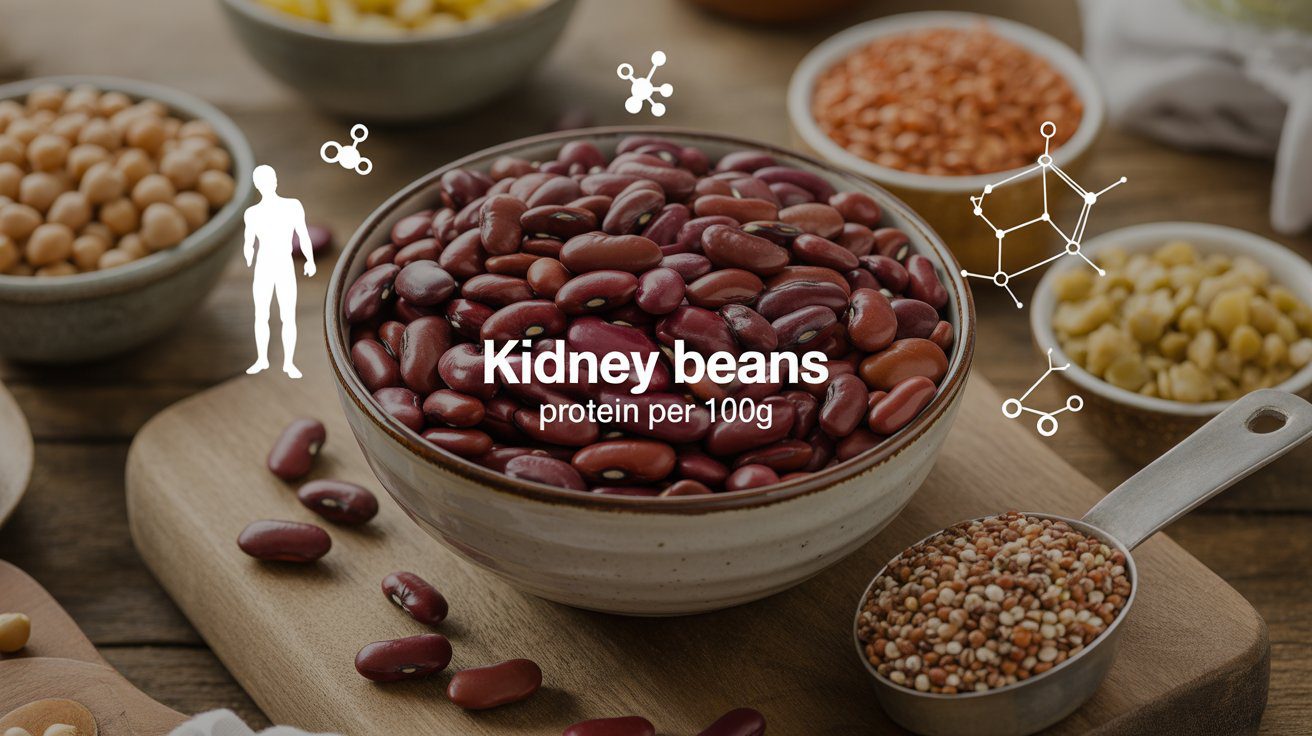
Table of Contents
Kidney beans, commonly known as rajma, are one of the most popular legumes in many households. They are affordable, filling, and widely used in curries, salads, soups, and rice dishes. But if you’re tracking your nutrition, you might be wondering how much protein they actually provide.
Understanding kidney beans protein per 100g is especially important for vegetarians, fitness enthusiasts, and anyone looking to improve their protein intake naturally. Let’s explore the nutritional value, health benefits, and how kidney beans fit into a balanced diet.
What Are Kidney Beans?
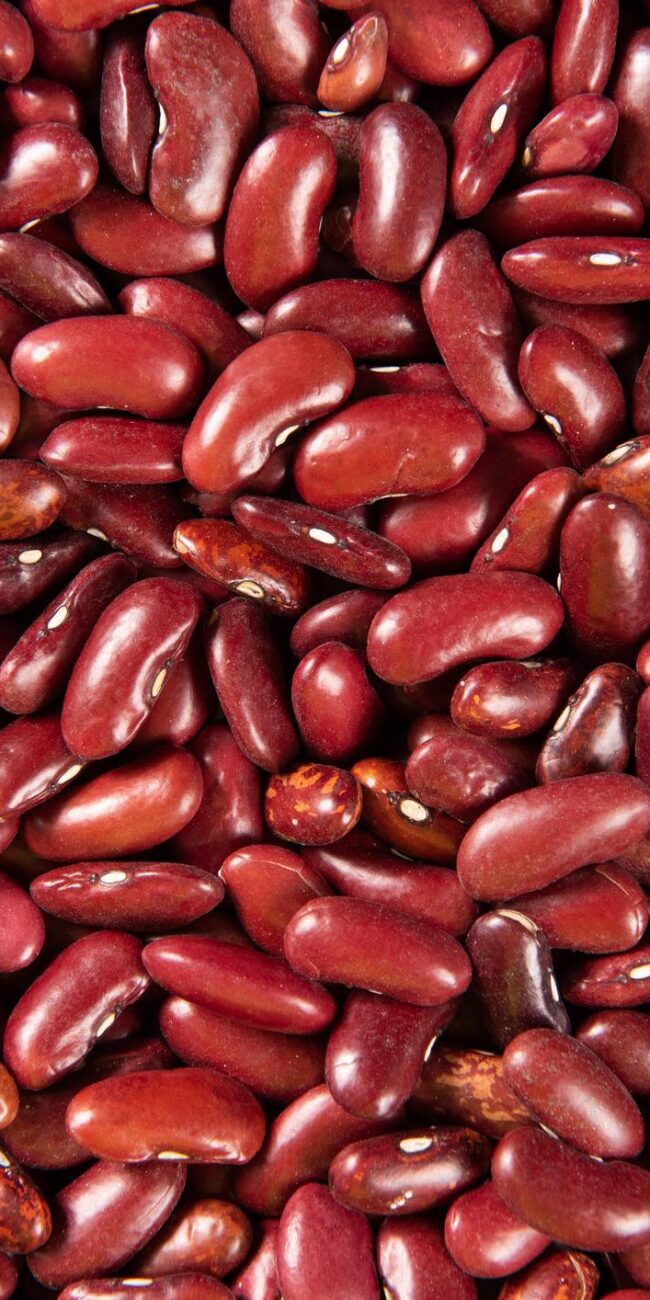
Kidney beans are red-colored legumes shaped like a kidney. They belong to the bean family and are commonly grown in many parts of the world. Their mild flavor and firm texture make them versatile in cooking.
Besides protein, kidney beans contain:
Complex carbohydrates
Dietary fiber
Iron
Folate
Potassium
Magnesium
This makes them more than just a protein source—they are a nutrient-dense food.
Kidney Beans Protein Per 100g (Raw vs Cooked)
The protein content changes depending on whether the beans are raw or cooked.
Raw Kidney Beans (100g)
Approximately 23–25 grams of protein
Cooked Kidney Beans (100g)
Approximately 8–9 grams of protein
Cooking increases water content, which reduces protein concentration per 100 grams. When people search for kidney beans protein per 100g, they often mean cooked beans since that’s how they are consumed.
Are Kidney Beans a Good Source of Plant Protein?
Yes, kidney beans are considered a strong plant-based protein source. While they are not a complete protein on their own, they can become complete when paired with grains like rice or whole wheat.
Combining legumes with grains helps balance essential amino acids, making meals more nutritionally complete.
Why Protein Content Matters
Protein plays a vital role in:
Muscle repair and growth
Hormone production
Immune system function
Tissue maintenance
Feeling full after meals
For individuals following vegetarian or vegan diets, knowing the kidney beans protein per 100g helps plan daily protein intake effectively.
Nutritional Breakdown of Cooked Kidney Beans (Per 100g)
Calories: 125–130 kcal
Protein: 8–9g
Carbohydrates: 22–23g
Fiber: 6–7g
Fat: Less than 1g
This combination makes kidney beans high in fiber and moderate in protein, while remaining low in fat.
Health Benefits of Kidney Beans
1. Supports Digestive Health
The high fiber content promotes healthy digestion and supports gut bacteria. Fiber also helps regulate bowel movements and maintain digestive balance.
2. Helps Manage Weight
Because kidney beans are rich in protein and fiber, they increase satiety. This means you feel full for longer, which may reduce unnecessary snacking.
3. Supports Heart Health
Kidney beans contain potassium and soluble fiber, both of which help maintain healthy blood pressure and cholesterol levels.
4. Provides Plant-Based Iron
Iron supports oxygen transport in the body. Pairing kidney beans with vitamin C-rich foods can improve iron absorption.
Kidney Beans Compared to Other Protein Sources
Here’s how cooked kidney beans compare per 100g:
Kidney beans: 8–9g protein
Lentils: 9g protein
Chickpeas: 8–9g protein
Tofu: 8g protein
Chicken breast: 27g protein
While animal products contain more protein per serving, kidney beans remain a reliable vegetarian protein source.
How to Increase Protein Intake With Kidney Beans
To maximize protein intake:
Combine with rice or quinoa
Add to salads with nuts or seeds
Mix into soups with lentils
Include in wraps or grain bowls
Balanced meal combinations improve overall amino acid quality.
Are Kidney Beans Good for Muscle Building?
Yes, when included as part of a protein-balanced diet.
Although the kidney beans protein per 100g is lower than meat, combining them with other protein sources can support muscle repair and growth. Strength training combined with adequate total protein intake is more important than relying on one food source.
Calories and Carbohydrates in Kidney Beans
Kidney beans provide complex carbohydrates, which release energy slowly. This helps maintain stable blood sugar levels and sustained energy.
They are suitable for individuals who need steady fuel for daily activities or workouts.
Important Preparation Tips
Raw kidney beans contain natural compounds called lectins, which can cause digestive discomfort if undercooked.
To prepare safely:
Soak beans for several hours
Rinse thoroughly
Cook until soft
Proper cooking improves digestibility and nutrient absorption.
Who Should Include Kidney Beans in Their Diet?
Kidney beans are beneficial for:
Vegetarians and vegans
Individuals looking for affordable protein
People managing weight
Those seeking heart-healthy foods
However, people with digestive sensitivities may need to introduce them gradually.
How Much Protein Do You Need Daily?
Protein requirements vary depending on age, activity level, and body weight. On average:
Sedentary adults: 0.8g per kg body weight
Active individuals: 1–1.6g per kg
Knowing the kidney beans protein per 100g helps calculate portion sizes to meet your daily needs.
Final Thoughts
Understanding kidney beans protein per 100g helps you make informed decisions about your diet. Cooked kidney beans provide around 8–9 grams of protein per 100g, along with fiber, iron, and essential nutrients.
While they may not match the protein density of animal sources, they remain one of the most practical and nutritious plant-based protein options. When paired with grains and other legumes, kidney beans contribute significantly to a balanced vegetarian or vegan diet.
Simple, affordable, and versatile—kidney beans are a smart addition to everyday meals.