Hair fall is a common concern that affects people of all ages and hair types. While losing some hair daily is normal, excessive hair shedding can be worrying and impact confidence. Many people look for natural home remedies because they are gentle, affordable, and easy to follow.
This article explains how to stop hair fall naturally at home using time-tested remedies, healthy habits, and lifestyle changes. The information shared here is educational, experience-based, and designed to help readers make informed decisions about hair care—without exaggeration or unrealistic promises.
Understanding Hair Fall: What Is Normal and What Is Not?
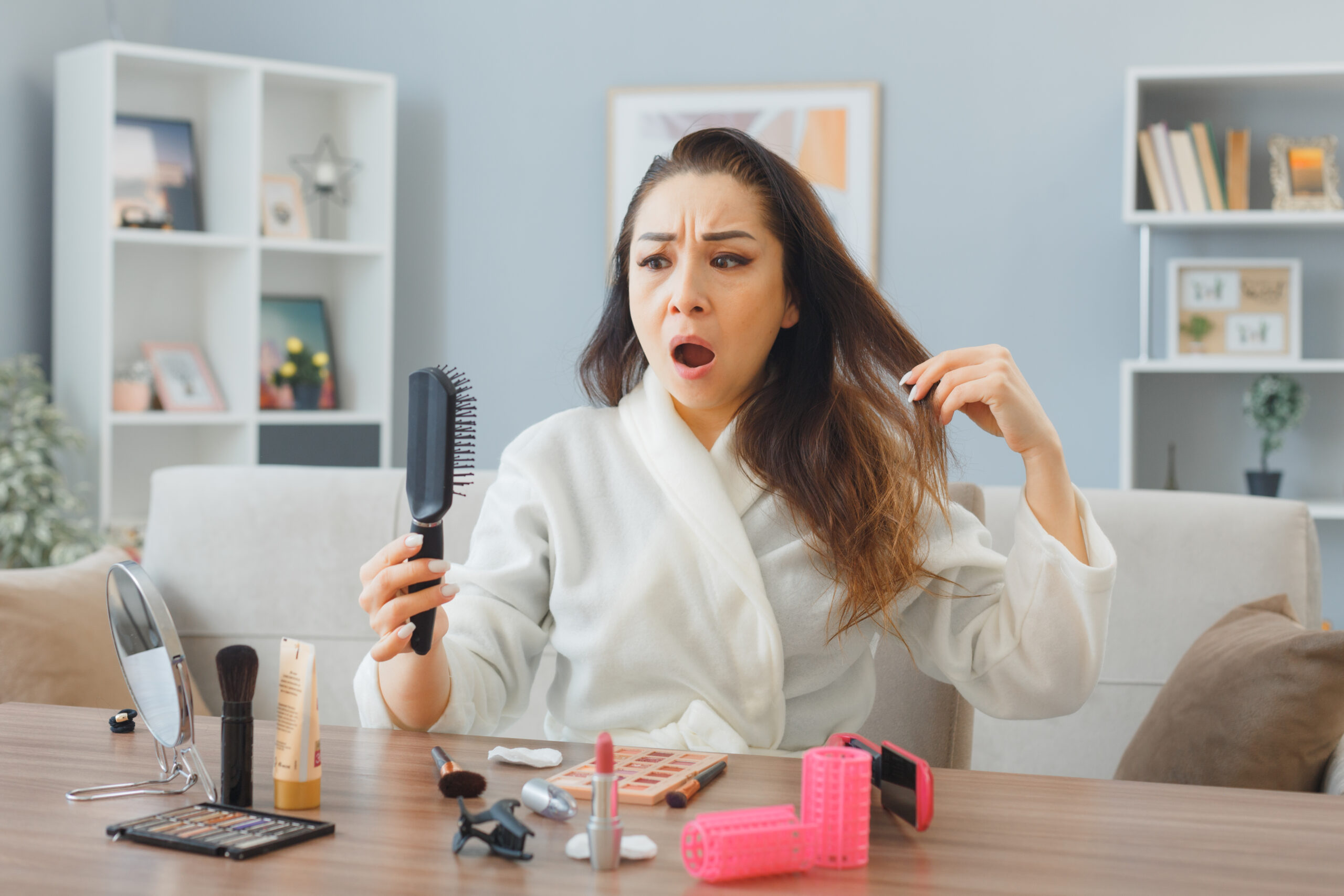
It is normal to lose around 50–100 strands of hair per day as part of the natural hair growth cycle. Hair fall becomes a concern when:
Hair sheds in large clumps
Hair density visibly reduces
Hair thinning continues for several months
Common Factors That Contribute to Hair Fall
Nutrient deficiencies
Stress and irregular sleep
Poor scalp hygiene
Excessive use of heat or chemicals
Hormonal changes
Environmental pollution
Identifying these factors early helps in managing hair fall naturally and safely.
Can Hair Fall Be Reduced Naturally at Home?
In many cases, hair fall related to lifestyle, nutrition, or hair care habits can be reduced through natural methods. Home remedies focus on:
Supporting scalp health
Improving circulation
Maintaining moisture balance
Reducing breakage
Natural approaches work gradually and are best suited for long-term hair care rather than quick fixes.
Natural Home Remedies That Support Hair Health
1. Gentle Oil Massage for Scalp Care
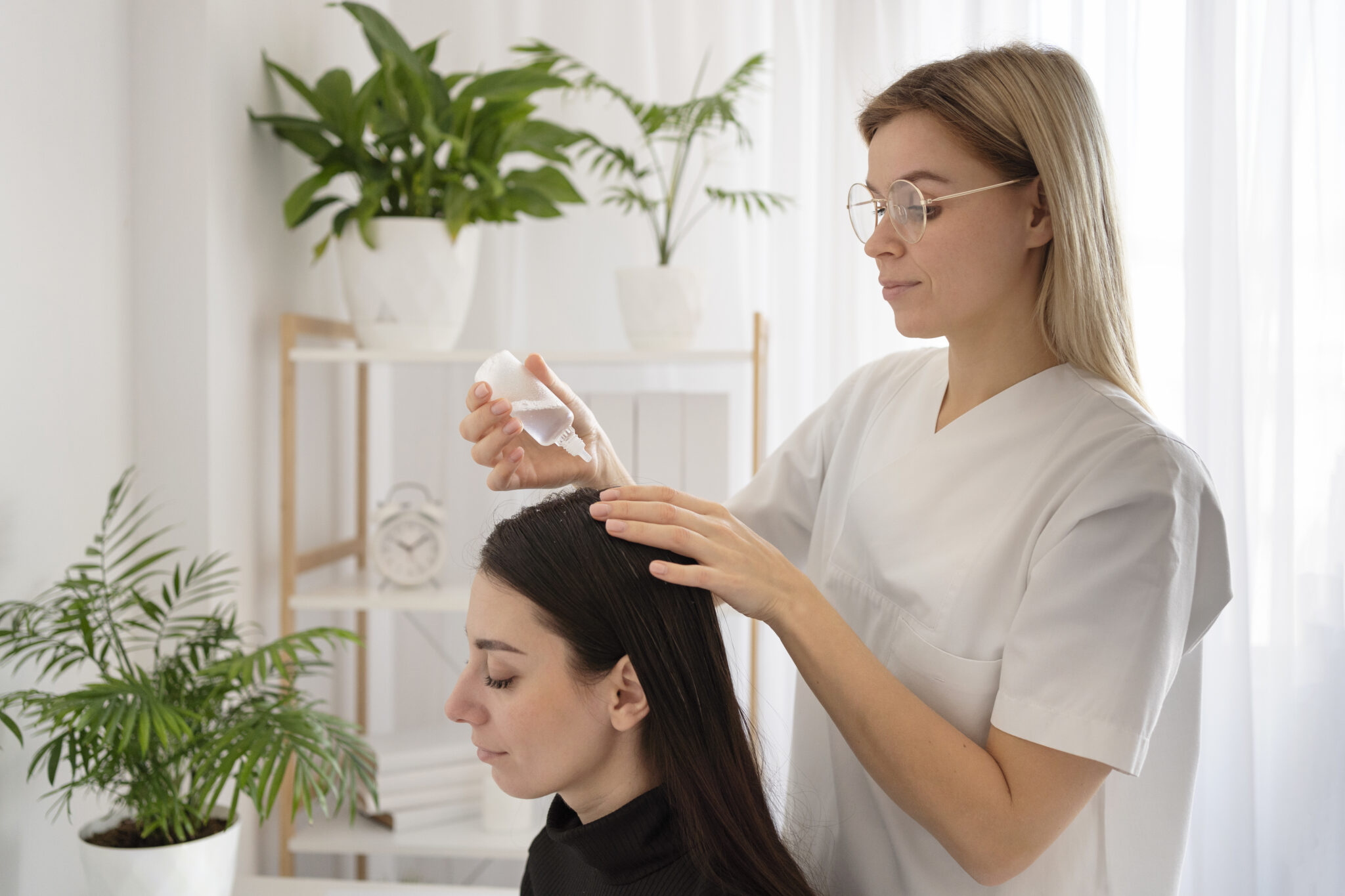
Regular scalp massage with natural oils may help maintain scalp hydration and improve blood flow.
Commonly used oils:
Coconut oil
Almond oil
Castor oil
Massage gently for a few minutes and wash off with a mild shampoo. Avoid excessive rubbing.
2. Aloe Vera for Scalp Comfort
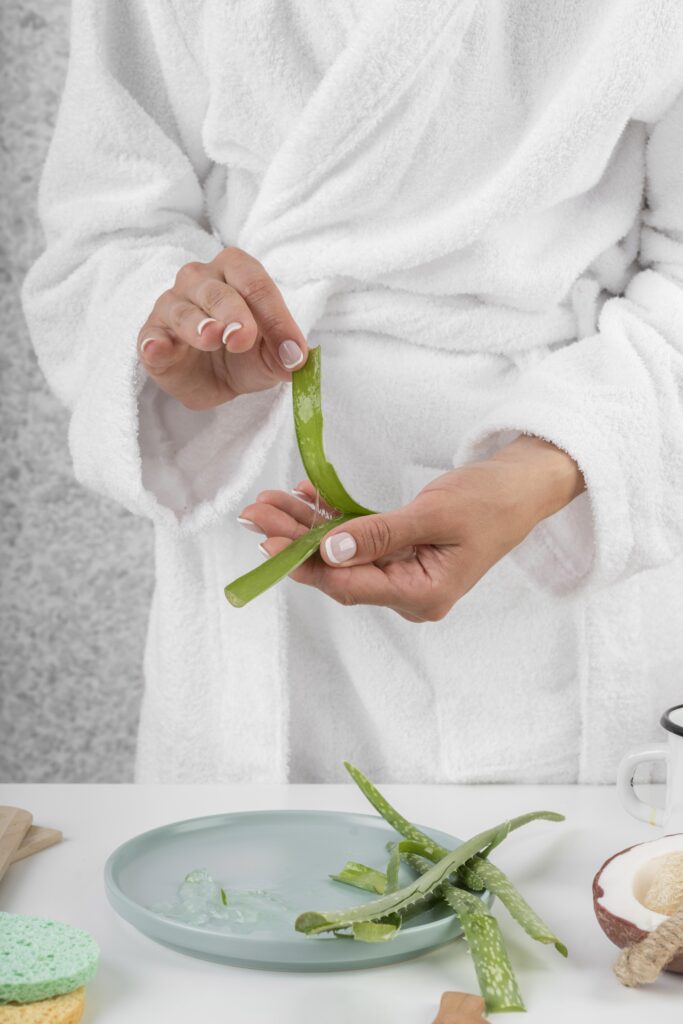
Aloe vera is widely used in home hair care for its soothing properties.
How it helps:
Maintains scalp moisture
Reduces dryness
Improves hair texture
Apply fresh aloe vera gel to the scalp for 20–30 minutes before rinsing.
3. Onion Juice (Optional & Patch-Tested Use)
Onion juice is traditionally used in hair care routines. However, it may not suit sensitive skin.
Important: Always do a patch test before use.
Apply diluted onion juice to the scalp for a short duration and wash thoroughly.
4. Amla (Indian Gooseberry) for Hair Nourishment
Amla is commonly included in traditional hair care practices.
Ways to use:
Amla oil
Amla powder mixed with water
Amla-based hair masks
It is valued for supporting overall hair appearance.
5. Fenugreek (Methi) Seeds for Hair Conditioning
Fenugreek seeds are often used to condition hair and reduce dryness.
Soak seeds overnight, grind into a paste, and apply to hair before washing.
Daily Hair Care Habits That Help Reduce Hair Fall
Natural remedies work best when combined with gentle hair care habits.
Hair Washing Tips
Avoid overwashing
Use mild, sulfate-free shampoo
Rinse with lukewarm water
Combing & Styling
Use a wide-tooth comb
Avoid tight hairstyles
Reduce heat styling
Nutrition and Hair Health: Why Diet Matters
Hair health is closely linked to nutrition. A balanced diet supports the body, including hair follicles.
Nutrients Important for Hair
Protein (lentils, eggs, dairy)
Iron (leafy greens)
Healthy fats (nuts, seeds)
Vitamins from fruits and vegetables
Drinking enough water also helps maintain scalp hydration.
Stress, Sleep, and Hair Fall
High stress levels and poor sleep can disrupt the natural hair growth cycle.
Simple Lifestyle Practices
Maintain a regular sleep schedule
Practice relaxation techniques
Take short breaks from screens
Include light physical activity
Managing stress supports overall well-being, which indirectly benefits hair health.
Yoga and Breathing Practices for General Wellness
Some people include yoga and breathing exercises in their daily routine for relaxation and circulation.
Examples include:
Gentle stretching
Deep breathing exercises
Meditation
These practices support mental and physical balance, which may positively influence hair health.
Common Hair Care Mistakes to Avoid
Using too many hair products
Frequent chemical treatments
Brushing wet hair roughly
Ignoring scalp cleanliness
Correcting these habits can help reduce unnecessary hair breakage.
When to Seek Professional Advice
If hair fall continues despite lifestyle changes, it may be helpful to consult a qualified professional, especially if:
Hair loss is sudden or severe
There is scalp irritation or pain
There is a known medical condition
Professional guidance ensures proper diagnosis and safe treatment.
How Long Do Natural Methods Take to Show Results?
Natural hair care methods usually require consistency. Changes may be noticed over several weeks or months, depending on individual factors.
Results vary from person to person.
Frequently Asked Questions on Hair Fall
Can hair fall be completely stopped naturally?
Hair fall can often be reduced, but complete prevention depends on individual health and genetics.
Are home remedies safe for everyone?
Most natural remedies are gentle, but patch testing is recommended to avoid irritation.
How often should natural remedies be used?
Moderation is key. Overuse may cause dryness or buildup.
Final Thoughts
Understanding how to stop hair fall naturally at home involves patience, consistency, and realistic expectations. Natural remedies, balanced nutrition, stress management, and gentle hair care habits work together to support healthier hair over time.
This guide is meant to inform and educate—not replace professional advice. Listening to your body and maintaining overall wellness is the foundation of healthy hair.