Feeling Tired, Stressed or Getting Muscle Cramps? High Magnesium Rich Foods You Need Now

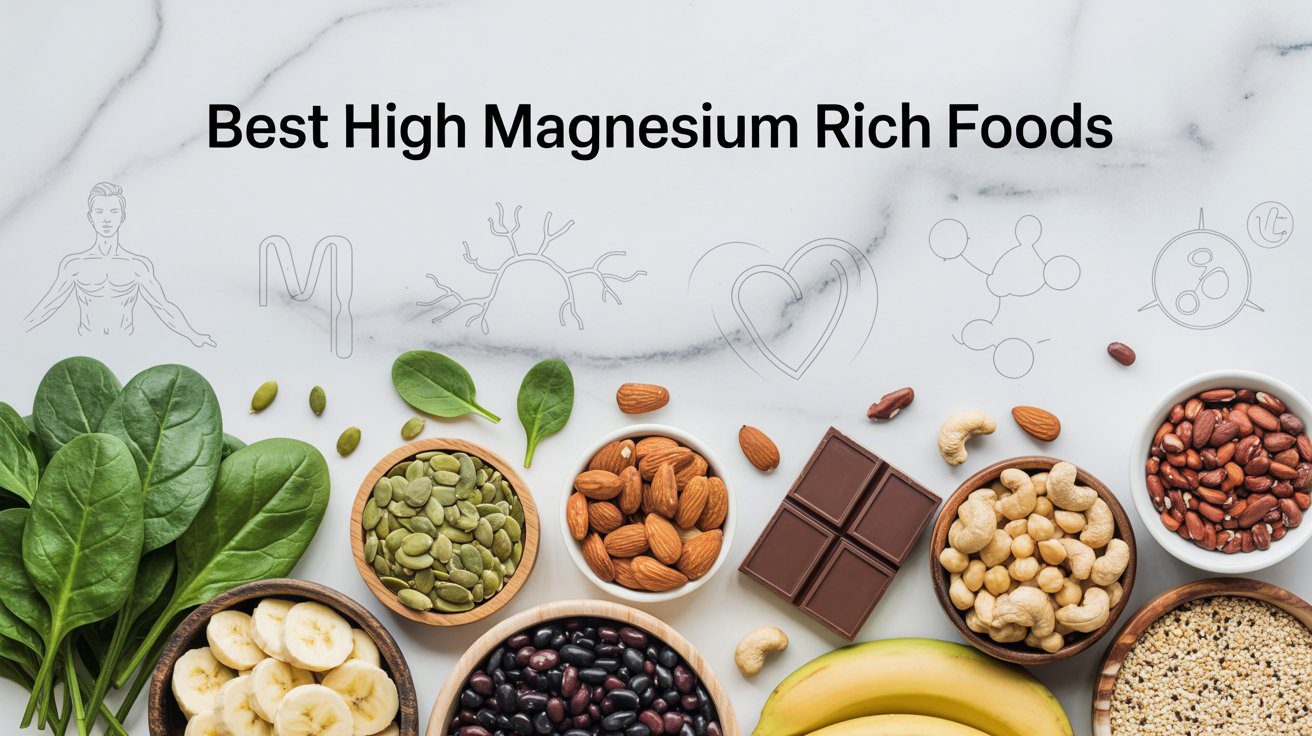
Best High Magnesium Rich Foods

Table of Contents

Magnesium is one of those essential minerals that quietly supports your body every single day. From keeping your muscles relaxed to helping your heart beat steadily, this nutrient plays a powerful role behind the scenes. Yet, many people don’t consume enough magnesium through their daily meals.

If you’ve been feeling tired, experiencing muscle cramps, or struggling with restless sleep, your body may be asking for better nutrition. Adding high magnesium rich foods to your diet could be a simple and natural solution.

Let’s explore why magnesium matters and which foods can help you maintain healthy levels.

Why Magnesium Is Essential for the Body

Magnesium is involved in more than 300 enzymatic reactions. It supports:

  • Muscle contraction and relaxation

  • Nerve communication

  • Energy production

  • Bone strength

  • Blood sugar balance

  • Heart rhythm regulation

Without adequate intake, your body may struggle to perform these functions efficiently.

Daily Magnesium Requirements

Magnesium needs vary depending on age and gender:

  • Adult men: approximately 400–420 mg per day

  • Adult women: approximately 310–320 mg per day

Pregnant individuals and athletes may require slightly higher amounts. Meeting these needs through whole foods is generally the safest and most sustainable approach.

Signs of Magnesium Deficiency

Low magnesium levels can sometimes show subtle symptoms, such as:

  • Frequent muscle cramps

  • Fatigue or weakness

  • Irritability

  • Difficulty sleeping

  • Headaches

Persistent symptoms should always be evaluated by a healthcare professional.

Best High Magnesium Rich Foods to Include in Your Diet

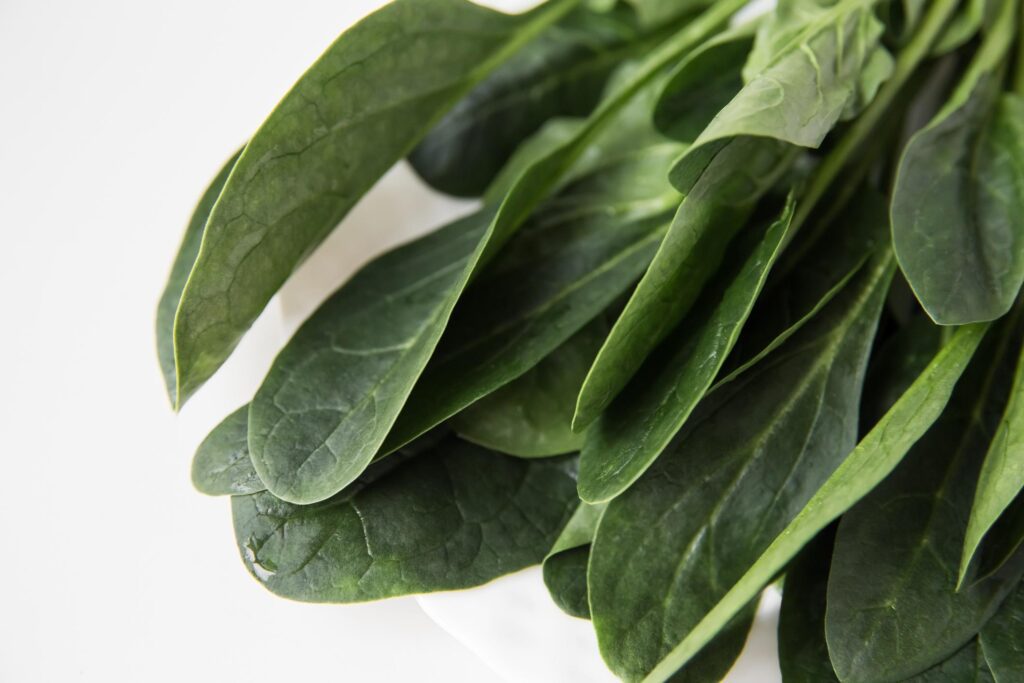
1. Leafy Green Vegetables

Dark leafy greens like spinach and Swiss chard are excellent natural sources of magnesium.

Cooked spinach (100g) contains roughly 75–80 mg of magnesium. These vegetables also provide iron, fiber, and antioxidants that support overall health.

high magnesium rich foods

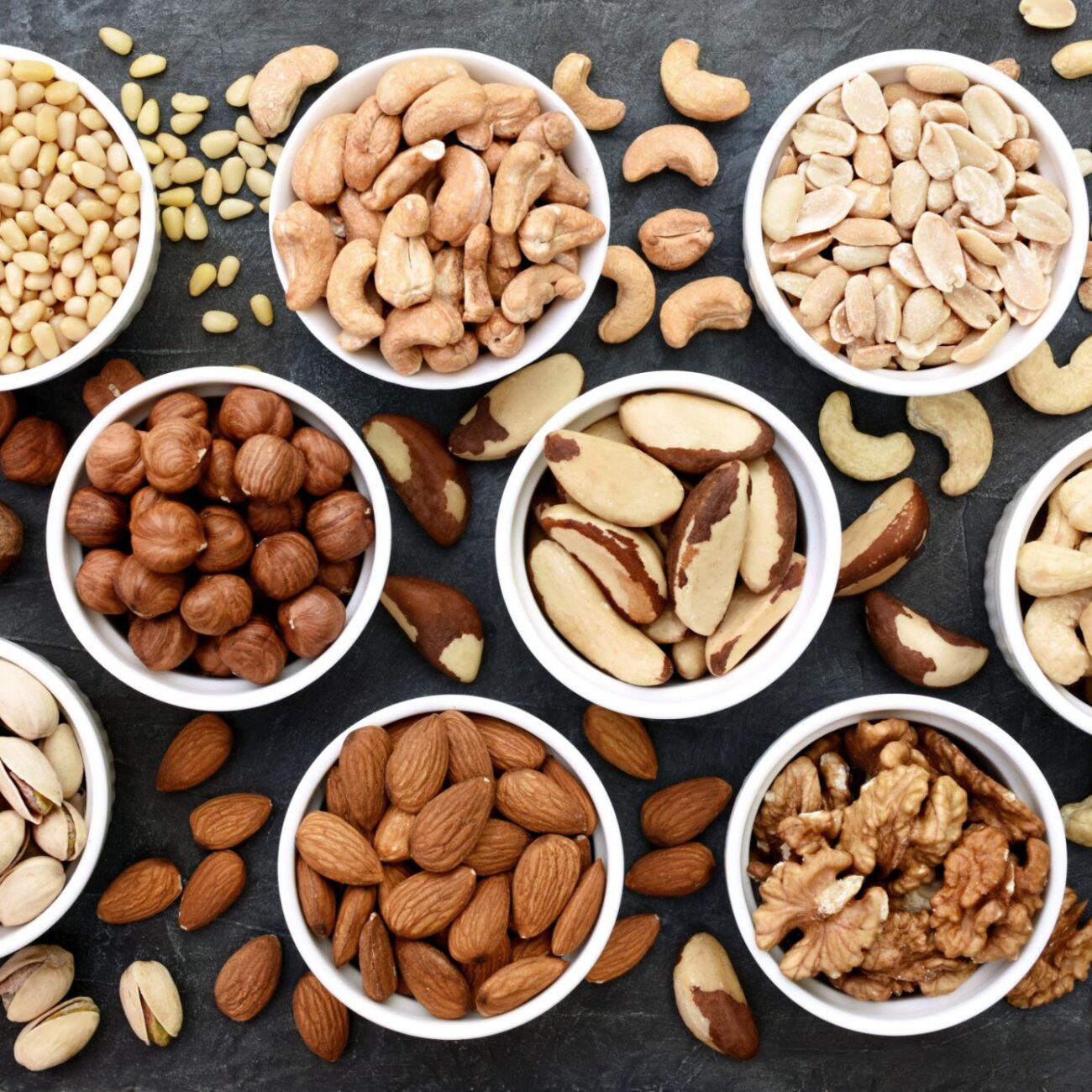
2. Nuts and Seeds

Almonds, cashews, and pumpkin seeds are particularly rich in magnesium.

For example:

  • Almonds (100g) provide around 260 mg

  • Pumpkin seeds (100g) may exceed 500 mg

They also offer healthy fats and plant-based protein.

high magnesium rich foods

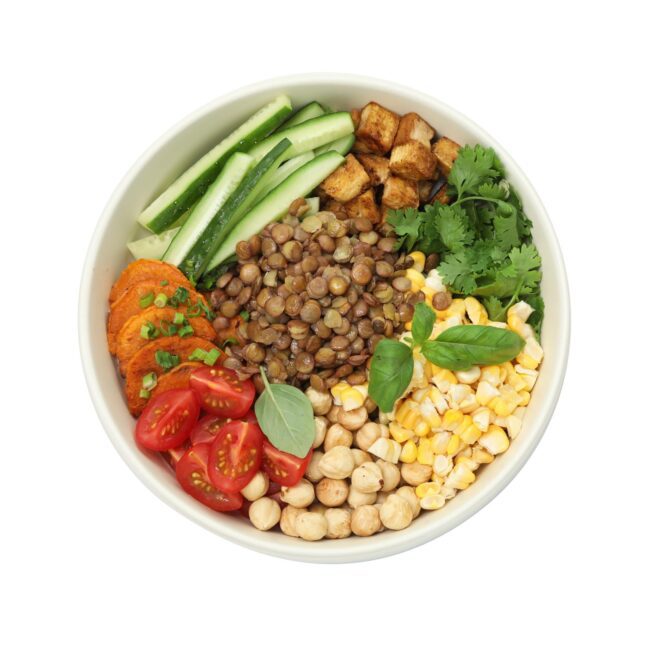
3. Legumes and Beans

Beans and lentils are affordable and nutrient-dense.

Black beans, chickpeas, and kidney beans contain moderate amounts of magnesium along with fiber and protein, making them ideal for plant-based diets.

high magnesium rich foods

4. Whole Grains

Whole grains like brown rice, quinoa, and oats contain more magnesium than refined grains. Choosing whole versions helps preserve mineral content and improves fiber intake.

5. Dark Chocolate

Dark chocolate (70% cocoa or higher) contains significant magnesium.

A 100g portion can provide over 200 mg of magnesium. However, moderation is important due to calorie density.

high magnesium rich foods

6. Avocados

Avocados contain moderate magnesium levels and healthy monounsaturated fats. They also support heart health and provide potassium.

7. Bananas

While better known for potassium, bananas also contribute small amounts of magnesium. They are convenient and easy to add to smoothies or snacks.

Health Benefits of High Magnesium Rich Foods

Supports Muscle Function

Magnesium helps muscles relax after contraction. This reduces the likelihood of cramps and tension.

Promotes Better Sleep

Magnesium contributes to nervous system balance, which may support relaxation before bedtime.

Maintains Heart Health

It helps regulate blood pressure and supports a steady heart rhythm.

Strengthens Bones

Magnesium works together with calcium and vitamin D to maintain bone density.

Assists in Stress Management

This mineral plays a role in regulating stress responses and hormone balance.

Can Food Alone Meet Magnesium Needs?

For many people, a balanced diet rich in whole foods can provide adequate magnesium. However, highly processed diets often lack essential minerals.

If your meals frequently consist of refined grains, sugary snacks, or fast food, magnesium intake may be insufficient.

Tips to Increase Magnesium Naturally

  • Replace white rice with brown rice or quinoa

  • Add spinach to omelets or smoothies

  • Snack on almonds instead of chips

  • Include beans in soups and salads

  • Sprinkle seeds over yogurt or oatmeal

Small dietary adjustments can gradually improve mineral intake.

Is Too Much Magnesium Dangerous?

Magnesium from natural food sources is generally safe because the kidneys eliminate excess amounts. However, excessive supplementation may cause digestive discomfort.

Always consult a healthcare provider before starting high-dose supplements.

Who May Benefit Most from High Magnesium Rich Foods?

  • Individuals with muscle cramps

  • Athletes

  • People experiencing high stress

  • Older adults

  • Those with limited vegetable intake

A varied and balanced diet remains the best long-term strategy.

Final Thoughts

Adding high magnesium rich foods to your daily meals is a practical way to support muscle function, energy levels, heart health, and sleep quality. Leafy greens, nuts, seeds, legumes, and whole grains offer natural and effective sources of this essential mineral.

Rather than relying immediately on supplements, focus on whole foods that provide magnesium along with fiber, antioxidants, and additional nutrients.

Healthy eating habits built over time create lasting wellness benefits.

Disclaimer

This article is intended for informational purposes only and should not be considered medical advice. Consult a healthcare professional before making significant dietary changes or taking supplements.

Leave a Reply

Your email address will not be published. Required fields are marked *