Foods to Improve Eyesight Without Glasses: Natural Ways to Support Clearer, Healthier Vision
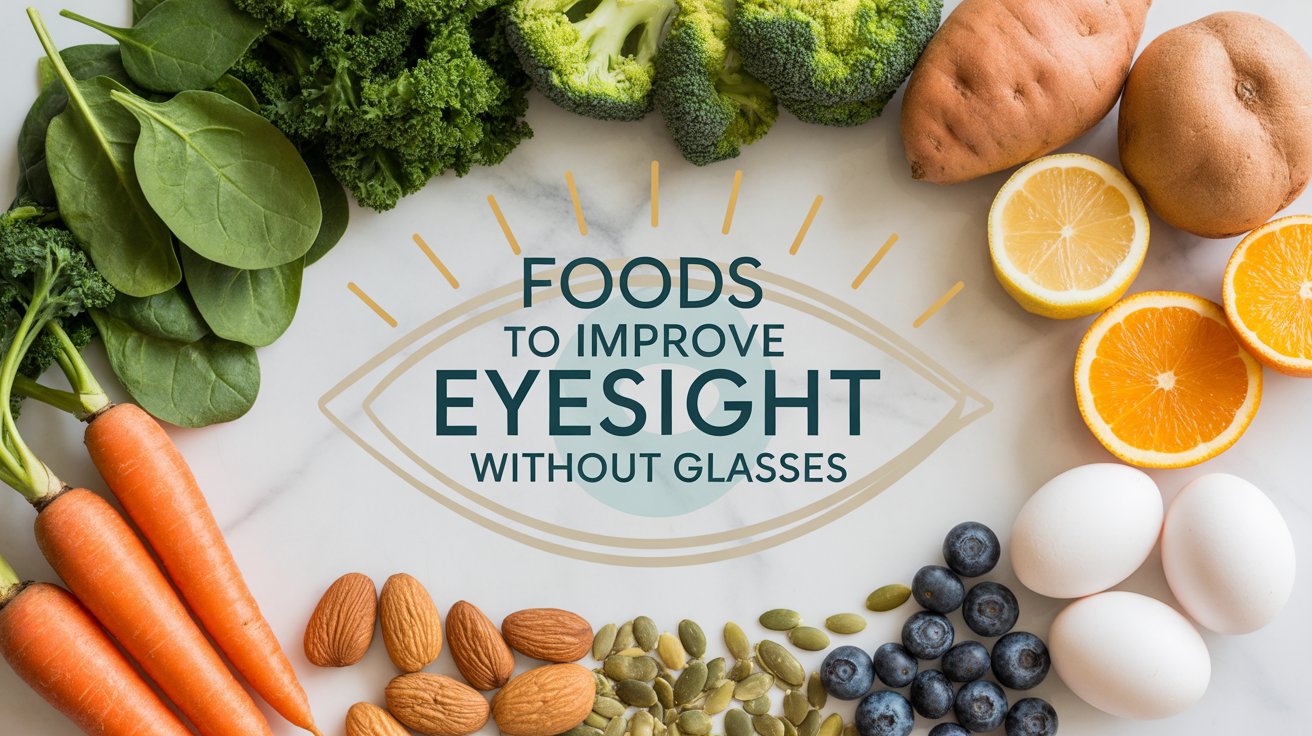
Table of Contents
In today’s digital world, eye strain has become almost unavoidable. Long hours on screens, poor sleep, pollution, and nutritional deficiencies are slowly affecting our vision. Many people assume that once eyesight starts declining, glasses are the only solution. But nutrition plays a much bigger role in eye health than most realize.
While food cannot magically replace glasses overnight, choosing the right diet can help strengthen eye muscles, protect vision, and slow down further damage. That’s why understanding foods to improve eyesight without glasses is so important for long-term eye care.
Let’s explore how nutrition supports vision and which foods can naturally help keep your eyes healthy.
How Nutrition Affects Your Eyesight
Your eyes are constantly exposed to light, environmental toxins, and oxidative stress. Over time, this can damage eye cells and weaken vision. Certain nutrients help protect eye tissues, improve blood circulation to the eyes, and reduce inflammation.
A diet rich in vitamins, minerals, and antioxidants supports:
Retinal health
Eye muscle strength
Tear production
Protection from age-related vision problems
This is why diet is a key part of natural eye care.
Can Food Really Improve Eyesight Without Glasses?
It’s important to be realistic. Food cannot instantly cure refractive errors like severe myopia or astigmatism. However, proper nutrition can:
Support clearer vision
Reduce eye fatigue
Slow vision deterioration
Improve night vision
Protect against age-related eye issues
That’s why foods to improve eyesight without glasses are best viewed as a long-term investment in eye health.
Essential Nutrients for Better Vision
Before diving into specific foods, let’s understand the nutrients your eyes need most.
Key Eye-Supporting Nutrients
Vitamin A – supports night vision
Vitamin C – protects against oxidative stress
Vitamin E – protects eye cells
Lutein & Zeaxanthin – support retinal health
Omega-3 fatty acids – reduce dryness and inflammation
Zinc – helps vitamin A function properly
Foods that naturally contain these nutrients are especially beneficial.
Best Foods to Improve Eyesight Without Glasses
1. Carrots
Carrots are rich in beta-carotene, which the body converts into vitamin A. Vitamin A is essential for maintaining good vision, especially in low-light conditions.
Including carrots regularly helps support retinal function and overall eye health.
2. Leafy Green Vegetables
Spinach, kale, and other leafy greens are loaded with lutein and zeaxanthin. These antioxidants help protect the eyes from harmful blue light and oxidative damage.
They are among the most effective foods to improve eyesight without glasses when eaten consistently.
3. Citrus Fruits
Oranges, lemons, and grapefruits are high in vitamin C, which supports blood vessels in the eyes and helps reduce the risk of eye fatigue and aging-related issues.
Vitamin C also supports collagen production, which is important for eye structure.
4. Eggs
Egg yolks contain lutein, zeaxanthin, zinc, and vitamin A—all essential for eye health. Eggs help reduce the risk of retinal damage and support sharp vision.
They are also easy to include in daily meals.
5. Fatty Fish
Fish like salmon, sardines, and mackerel are rich in omega-3 fatty acids. These healthy fats help reduce dry eyes and support proper tear production.
Omega-3s also improve blood flow to the eyes, supporting long-term vision health.
6. Nuts and Seeds
Almonds, walnuts, sunflower seeds, and flaxseeds provide vitamin E and healthy fats. These nutrients help protect eye cells from oxidative damage.
Regular intake supports eye moisture and reduces strain.
7. Sweet Potatoes
Sweet potatoes are another excellent source of beta-carotene. They help maintain eye surface health and support night vision.
They are a nutritious alternative to refined carbohydrates.
8. Berries
Blueberries, strawberries, and blackberries contain antioxidants that support circulation and protect eye tissues from damage caused by free radicals.
Better circulation means better oxygen and nutrient delivery to the eyes.
9. Bell Peppers
Colorful bell peppers are rich in vitamin C and carotenoids. They support eye blood vessels and help fight oxidative stress.
They are light, fresh, and easy to add to salads and meals.
10. Legumes
Lentils, chickpeas, and beans provide zinc, which helps transport vitamin A from the liver to the eyes. Zinc also supports night vision and overall eye health.
These plant-based foods support the goal of foods to improve eyesight without glasses naturally.
Foods to Limit for Better Eye Health
Just as some foods support vision, others may harm it if consumed excessively.
Limit:
Highly processed foods
Sugary snacks and drinks
Excessive fried foods
Trans fats
These can increase inflammation and oxidative stress, which negatively affects eye health.
Lifestyle Habits That Support Vision Along With Diet
Nutrition works best when combined with healthy habits.
Helpful practices include:
Taking screen breaks (20-20-20 rule)
Getting adequate sleep
Staying hydrated
Wearing sunglasses outdoors
Managing stress
Food and lifestyle together provide the best results.
How Long Does It Take to See Results?
Improvements in eye comfort and reduced strain can be noticed within weeks. Long-term benefits, such as better vision stability, take consistent nutrition over months.
Patience and consistency are key when using foods to improve eyesight without glasses.
Common Myths About Improving Eyesight Naturally
Myth: Eating carrots alone will fix vision
Truth: A balanced diet is essential
Myth: Glasses weaken eyesight
Truth: Glasses correct vision but don’t cure underlying causes
Myth: Supplements work better than food
Truth: Whole foods provide better absorption
Who Can Benefit the Most From Eye-Healthy Foods?
These foods are especially helpful for:
People with digital eye strain
Students and office workers
Older adults
Individuals with dry or tired eyes
Early care leads to better long-term outcomes.
Final Thoughts
Choosing the right foods to improve eyesight without glasses is a smart and natural way to support your vision. While food cannot replace corrective lenses in every case, it can protect your eyes, reduce strain, and slow down further decline.
A colorful diet filled with vegetables, fruits, healthy fats, and whole foods supports not just your eyes—but your overall health. Start small, stay consistent, and give your eyes the nutrition they deserve.
Healthy vision begins on your plate.