Fatty Liver Disease Symptoms: Signs Your Liver Is Asking for Attention

Fatty liver disease is one of the most overlooked health conditions today. It doesn’t usually announce itself with sharp pain or sudden illness. Instead, it develops quietly, often hiding behind everyday problems like tiredness, digestion issues, or unexplained weight changes.
Because the liver plays a central role in metabolism, detoxification, and digestion, even minor damage can slowly affect your entire body. Recognizing fatty liver disease symptoms early can make the difference between complete recovery and long-term liver complications.
This article explains the symptoms clearly, without medical jargon, so you can understand what your body may be trying to tell you.
Understanding Fatty Liver Disease in Simple Terms
Fatty liver disease occurs when too much fat accumulates inside liver cells. While a healthy liver contains a small amount of fat, excess fat disrupts normal liver function and can trigger inflammation over time.
The condition generally falls into two categories:
Non-alcoholic fatty liver disease, often linked to lifestyle and metabolic factors
Alcohol-related fatty liver disease, caused by prolonged alcohol intake
Both types may look similar on scans and blood tests, and both can worsen if ignored.
Why Symptoms Often Appear Late
One reason fatty liver disease is so dangerous is that the liver continues working even when it’s under stress. Many people feel “mostly fine” for years while damage slowly builds up.
Symptoms usually appear when fat accumulation starts affecting liver efficiency or when inflammation begins. That’s why mild, early signals deserve attention.
Early Fatty Liver Disease Symptoms You Shouldn’t Ignore
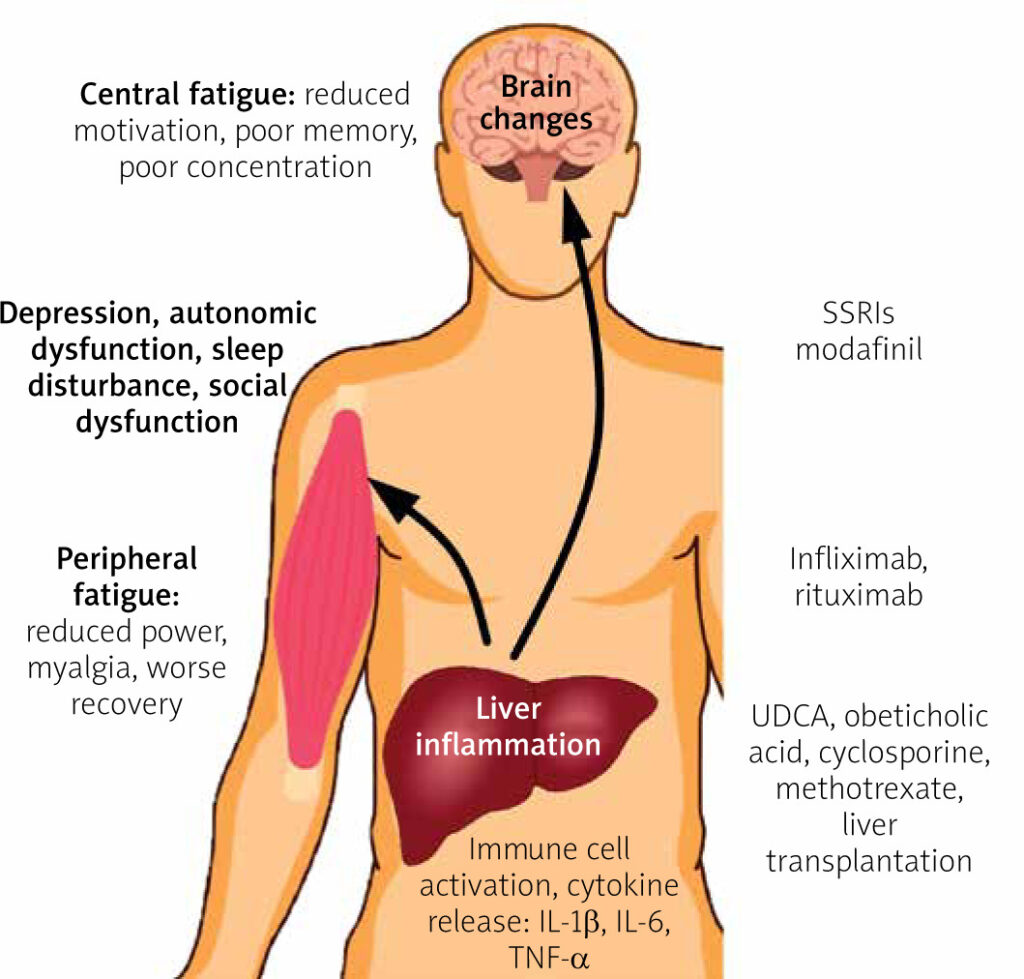
In the beginning, symptoms are often subtle and non-specific. People frequently mistake them for stress, aging, or poor digestion.
Common early signs include:
Ongoing tiredness even after adequate sleep
A feeling of heaviness or discomfort on the right side of the abdomen
Bloating or gas after normal meals
Reduced interest in food
Low stamina and lack of motivation
Difficulty focusing or mental sluggishness
These symptoms may seem harmless individually, but together they can signal declining liver health.
Symptoms as Fatty Liver Disease Progresses
As fat buildup increases, liver inflammation may begin. At this stage, the body sends clearer warning signals.
Symptoms may include:
Frequent nausea or indigestion
Mild but persistent abdominal pain
Unexplained weight changes
Muscle weakness or body aches
Increased sensitivity to alcohol or fatty foods
Feeling unwell without a clear reason
This stage is still reversible with proper lifestyle changes and medical guidance.
Advanced Fatty Liver Disease Symptoms
When fatty liver disease advances, inflammation and scarring reduce the liver’s ability to function properly. Symptoms become more serious and visible.
Advanced warning signs include:
Yellowing of the eyes or skin
Swelling in the stomach area
Swollen ankles or feet
Persistent itching
Dark-colored urine
Pale or clay-colored stools
Easy bruising or bleeding
Memory issues or confusion
These symptoms require immediate medical attention, as they suggest significant liver impairment.
Fatty Liver Disease Symptoms in Women
Hormonal changes can influence how liver disease presents in women.
Women may notice:
Sudden fatigue unrelated to activity
Difficulty losing weight
Increased abdominal fat
Hormonal irregularities
Skin changes such as pigmentation or dullness
After menopause, the risk increases due to metabolic shifts and reduced estrogen levels.
Fatty Liver Disease Symptoms in Men
Men often develop fatty liver disease alongside metabolic conditions.
Common signs include:
Central weight gain
Reduced physical endurance
Elevated cholesterol levels
Blood sugar imbalance
Decreased energy and drive
Because symptoms are gradual, men often delay medical checkups, leading to late diagnosis.
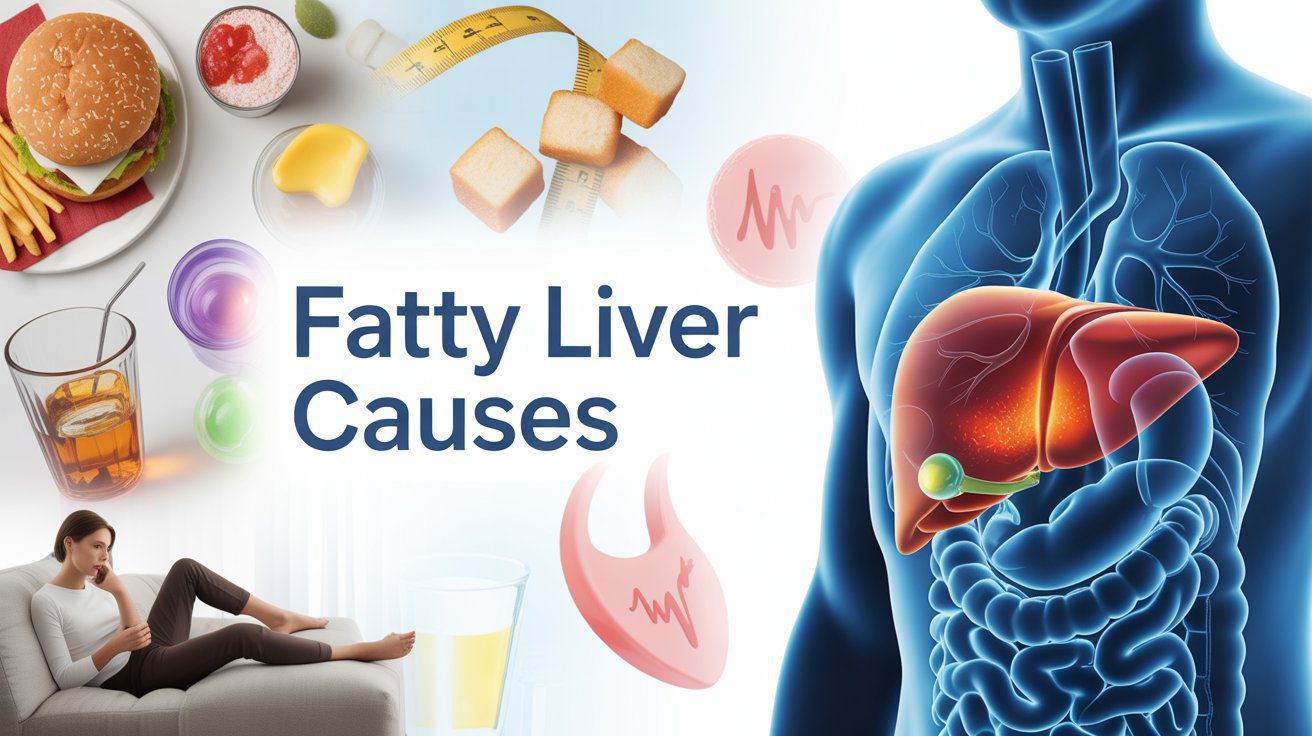
What Causes Fatty Liver Disease?
Fatty liver disease usually develops due to a combination of lifestyle and metabolic factors.
Major contributors include:
Excess body weight
High intake of sugary or processed foods
Insulin resistance
High triglyceride levels
Lack of physical activity
Alcohol consumption
Certain medications
Even people who look “normal weight” can develop fatty liver if metabolic health is poor.
How Doctors Detect Fatty Liver Disease
Diagnosis often begins with routine blood tests showing elevated liver enzymes. Imaging tests like ultrasound or specialized scans help confirm fat buildup.
In some cases, additional tests may be required to assess inflammation or scarring.
Can Fatty Liver Disease Improve?
Yes. The liver has an exceptional ability to heal when given the right conditions.
Positive changes include:
Gradual weight loss
Balanced, whole-food diet
Regular physical movement
Reduced sugar and refined carbohydrates
Avoiding alcohol
Managing blood sugar and cholesterol
Consistency matters more than perfection.
When Should You Seek Medical Advice?
You should consult a healthcare professional if you experience:
Ongoing fatigue without explanation
Persistent abdominal discomfort
Abnormal liver test results
Yellowing of skin or eyes
Swelling or digestive issues that don’t improve
Early guidance can prevent serious liver damage.
Why Awareness of Fatty Liver Disease Symptoms Is Crucial
Fatty liver disease doesn’t cause immediate pain, but its long-term effects can be severe. Ignoring early signs increases the risk of inflammation, scarring, and permanent liver damage.
Listening to your body and acting early allows the liver to recover and protects overall health.
Final Words
Fatty liver disease is largely a lifestyle-related condition, but it is also highly manageable when detected early. Understanding fatty liver disease symptoms helps you recognize when your liver is under strain and encourages timely action.
Your liver works silently every day to support digestion, energy, and detoxification. Paying attention to subtle symptoms is one of the smartest health decisions you can make.