Why Your Liver May Be in Danger: Fatty Liver Causes Explained
Table of Contents
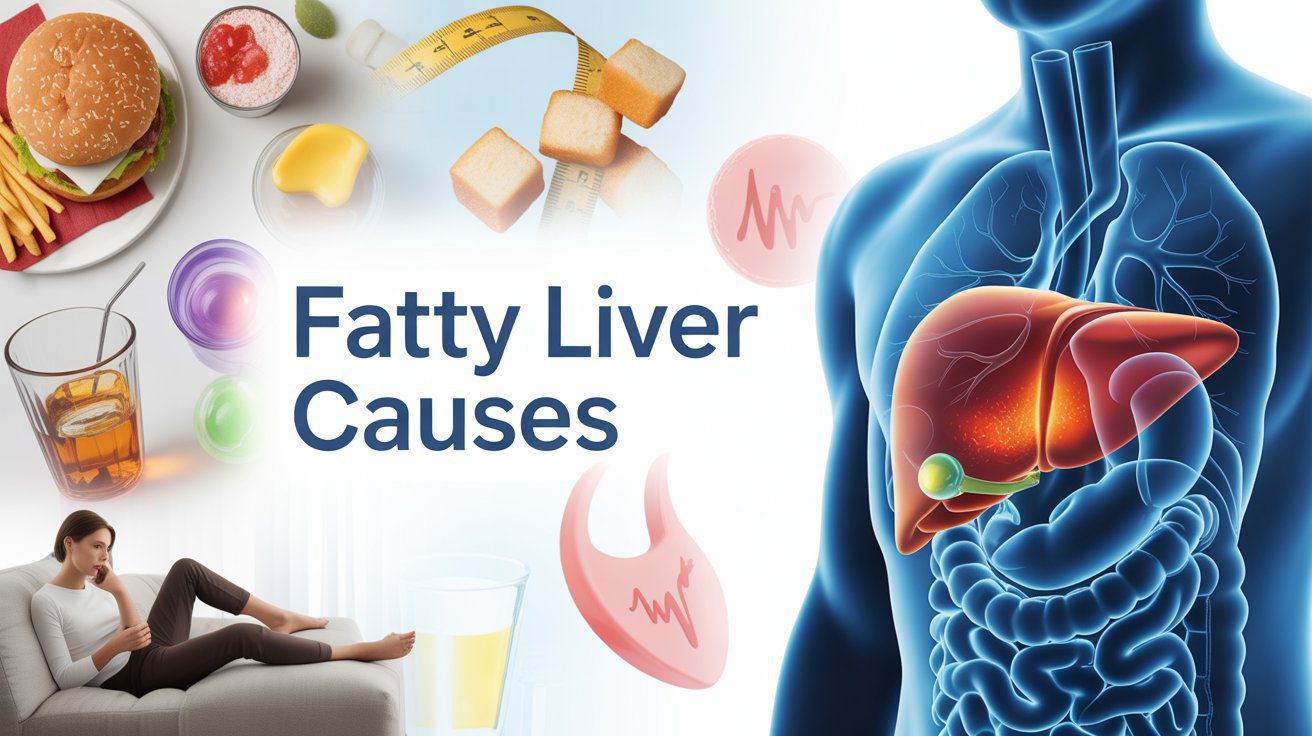
Your liver is one of the hardest-working organs in your body. It filters toxins, processes nutrients, supports digestion, and helps regulate metabolism. Yet many people unknowingly develop fatty liver without realizing it.
The condition often develops quietly, without pain or obvious symptoms. By the time it’s detected, lifestyle patterns may already be affecting liver function. Understanding fatty liver causes is essential if you want to protect your long-term health and prevent serious complications.
Let’s break down what fatty liver is, why it happens, and which habits increase your risk.

What Is Fatty Liver?
Fatty liver happens when excess fat builds up inside liver cells. While a small amount of fat in the liver is normal, too much fat can interfere with proper liver function.
There are two main types:
Non-alcoholic fatty liver disease (NAFLD) – develops without heavy alcohol use
Alcohol-related fatty liver disease – linked to excessive alcohol consumption
Both forms involve fat accumulation, but their triggers may differ.
Why Fatty Liver Is Becoming More Common
Modern lifestyle changes have significantly increased the number of fatty liver cases worldwide. Sedentary routines, high-sugar diets, chronic stress, and poor sleep patterns all contribute to metabolic imbalance.
Unlike viral liver diseases, fatty liver is often directly connected to daily habits.
Major Fatty Liver Causes
1. Excess Sugar Intake
One of the most overlooked fatty liver causes is high sugar consumption. When you consume more sugar than your body needs, the excess is converted into fat. Some of that fat gets stored in the liver.
Sugary drinks, desserts, packaged snacks, and sweetened beverages are major contributors.
Fructose, in particular, has been linked to increased liver fat production.
2. Obesity and Abdominal Fat
Carrying excess weight—especially around the midsection—raises the risk of liver fat buildup. Abdominal fat is closely associated with insulin resistance, which affects how the body stores and processes fat.
Obesity is considered one of the strongest risk factors for non-alcoholic fatty liver disease.
3. Insulin Resistance and Type 2 Diabetes
Insulin resistance occurs when the body’s cells do not respond properly to insulin. As a result, blood sugar levels rise, and fat storage increases.
This metabolic imbalance is a key driver behind many fatty liver causes. People with prediabetes or type 2 diabetes are at significantly higher risk.
4. Sedentary Lifestyle
Lack of physical activity reduces the body’s ability to burn fat efficiently. When fat is not used as energy, it may accumulate in different areas, including the liver.
Long hours of sitting, minimal exercise, and low daily movement contribute to metabolic slowdown.
5. High Intake of Processed Foods
Highly processed foods often contain unhealthy fats, refined carbohydrates, and low fiber content. These dietary patterns disrupt metabolic health and increase fat storage.
Regular consumption of fast food, fried items, and packaged meals can accelerate liver fat accumulation.
6. Excessive Alcohol Consumption
Alcohol forces the liver to prioritize detoxification. During this process, fat metabolism slows down, leading to fat buildup in liver cells.
Heavy drinking over time is a well-known contributor to alcohol-related fatty liver disease.
7. High Cholesterol and Triglycerides
Elevated cholesterol and triglyceride levels indicate poor fat metabolism. When fats circulate in excess within the bloodstream, the liver may store more fat than it should.
This connection highlights how heart health and liver health are closely linked.
8. Rapid Weight Loss
Surprisingly, losing weight too quickly can also stress the liver. When fat breaks down rapidly, it releases stored fatty acids into the bloodstream, which may temporarily increase liver fat.
Healthy, gradual weight loss is safer for liver function.
9. Genetic Predisposition
Genetics can influence how efficiently your body processes fats. Some individuals may develop fatty liver even without obvious lifestyle risk factors.
Family history can increase susceptibility.
Early Warning Signs of Fatty Liver
In many cases, fatty liver develops silently. However, some people may notice:
-
Persistent fatigue
-
Mild discomfort in the upper right abdomen
-
Unexplained weakness
-
Difficulty losing weight
Because symptoms are subtle, routine health checkups are important.
How Fatty Liver Progresses
If left unmanaged, simple fatty liver can progress to:
Liver inflammation
Non-alcoholic steatohepatitis (NASH)
Fibrosis (scar tissue formation)
Cirrhosis in severe cases
This is why identifying fatty liver causes early is critical.
Lifestyle Risk Factors to Watch
Certain habits increase vulnerability:
Poor sleep quality
Chronic stress
Smoking
High intake of sugary beverages
Lack of hydration
These factors contribute to overall metabolic stress.
Can Fatty Liver Be Reversed?
In early stages, fatty liver is often reversible through lifestyle changes.
Helpful strategies include:
Reducing sugar intake
Increasing daily movement
Managing body weight
Improving sleep patterns
Limiting alcohol
Eating whole, nutrient-dense foods
Small but consistent changes can significantly improve liver health.
Foods That Support Liver Health
While focusing on fatty liver causes, it’s also important to understand prevention.
Foods that support liver function include:
Leafy green vegetables
Whole grains
Healthy fats like olive oil
Lean protein sources
Antioxidant-rich fruits
A balanced diet reduces metabolic strain on the liver.
When to Consult a Doctor
If you have risk factors such as obesity, diabetes, or high cholesterol, consider regular liver function testing. Early detection prevents long-term complications.
Medical evaluation is essential if symptoms worsen or persist.
Final Thoughts
Understanding fatty liver causes empowers you to take control of your health. In most cases, the condition is closely linked to lifestyle patterns—excess sugar, inactivity, poor diet, and metabolic imbalance.
The encouraging news is that early-stage fatty liver can often improve with sustainable changes. By focusing on balanced nutrition, regular physical activity, and mindful habits, you can protect your liver and overall well-being.
Your liver works hard every day—supporting it should be part of your daily routine.
Medical Disclaimer:
The information shared in this article is based on general health knowledge and research. It is not intended to replace medical consultation. If you suspect a liver condition or experience persistent symptoms, seek guidance from a licensed medical professional before taking any action.

Bahut achhi information di hai aapne.
Students agar aur simple notes aur revision material chahte hain to yahan check kar sakte hain: https://toppertricks.com