Confused About Weight Loss Seeds? Chia Seed vs Sabja Seeds – Which One Is Actually Better?
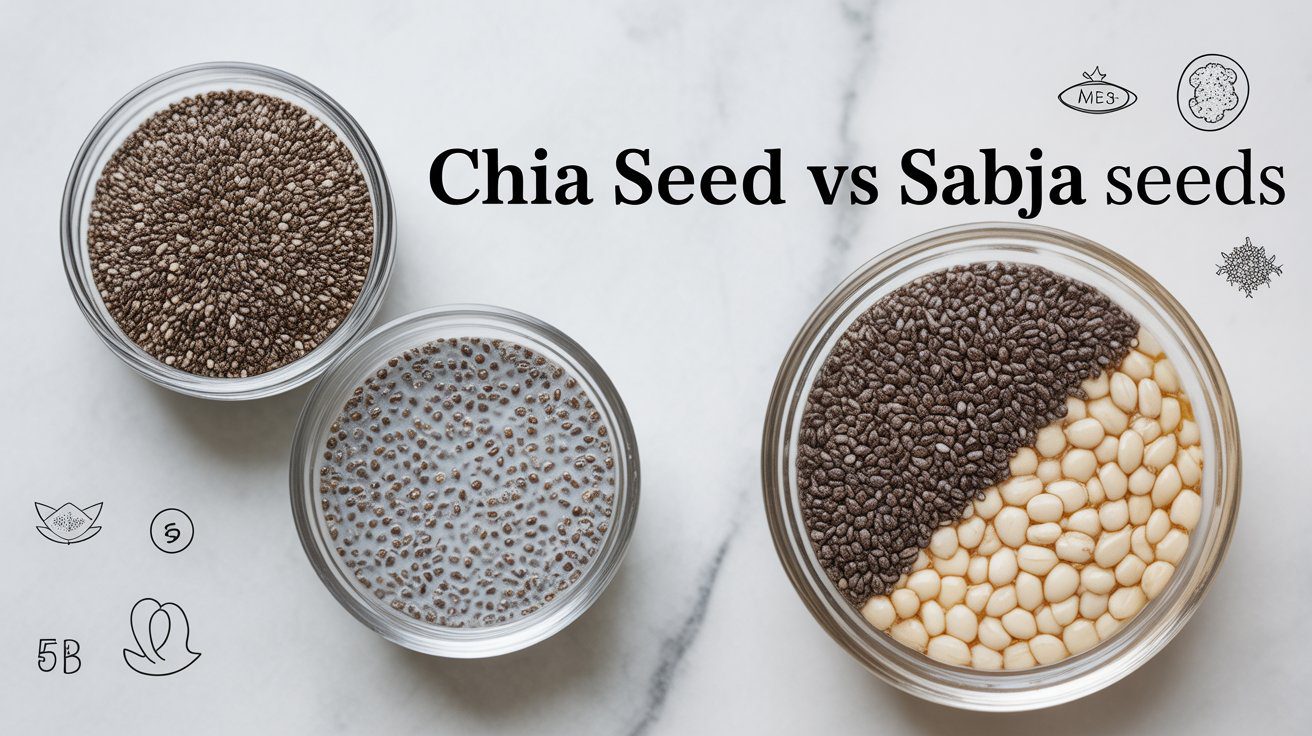
Table of Contents
If you’ve ever walked through a health food aisle or searched for natural remedies for weight loss, you’ve likely come across chia seeds and sabja seeds. At first glance, they look almost identical. Both swell up when soaked in water, both are rich in fiber, and both are often labeled as “superfoods.”
But when it comes to chia seed vs sabja seeds, are they really the same? Or does one offer better nutritional value than the other?
Let’s break down the differences, benefits, and best uses so you can decide which seed fits your health goals.
What Are Chia Seeds?
Chia seeds come from the plant Salvia hispanica, native to Central America. They have gained global popularity due to their impressive nutritional profile.
Chia seeds are known for:
High omega-3 fatty acids
Plant-based protein
Soluble fiber
Antioxidants
Calcium and magnesium
They are commonly added to smoothies, oatmeal, puddings, and baked goods.
What Are Sabja Seeds?
Sabja seeds, also known as basil seeds or tukmaria, come from the sweet basil plant (Ocimum basilicum). They are widely used in Indian and Southeast Asian cuisines, especially in drinks like falooda.
Sabja seeds are valued for:
Cooling properties
High fiber content
Digestive support
Low calorie density
Though similar in appearance, they differ in origin and nutritional composition.
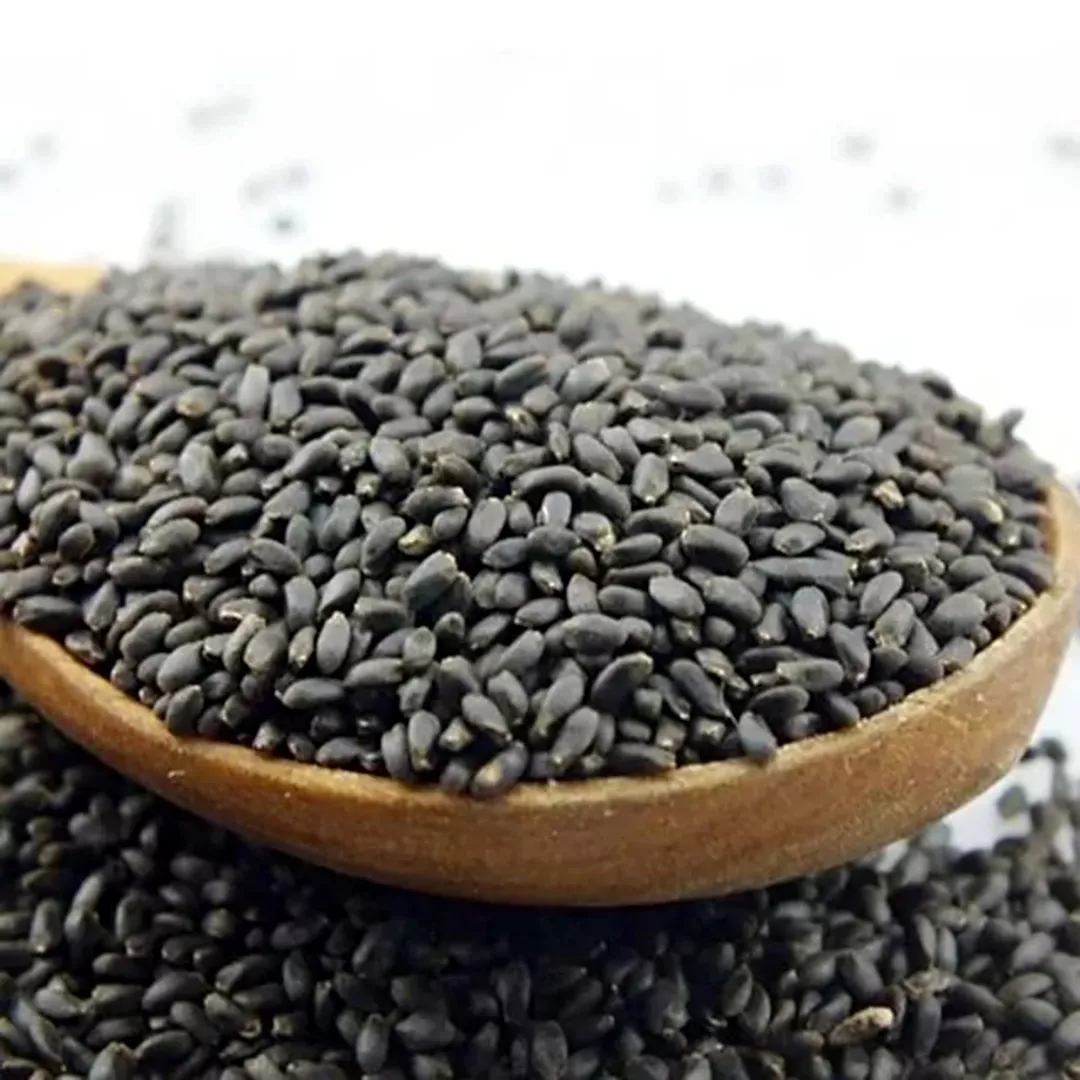
Chia Seed vs Sabja Seeds: Nutritional Comparison
Let’s compare their approximate nutritional values per tablespoon (about 12g):
Chia Seeds
Calories: 60–70
Protein: 2g
Fiber: 5g
Omega-3 fatty acids: High
Calcium: Moderate
Sabja Seeds
Calories: 40–50
Protein: 1–2g
Fiber: 5–6g
Omega-3: Lower than chia
Iron: Moderate
In the debate of chia seed vs sabja seeds, chia seeds generally provide more omega-3 fatty acids and protein, while sabja seeds offer slightly more fiber.
Key Differences Between Chia and Sabja Seeds
1. Soaking Time
Sabja seeds swell quickly (within 15–30 minutes).
Chia seeds usually need at least 1–2 hours or overnight soaking.
2. Taste and Texture
Both have a mild taste. However:
Chia seeds have a softer gel texture.
Sabja seeds maintain a slightly firmer outer layer.
3. Nutritional Focus
Chia: Better for omega-3 intake and protein boost.
Sabja: Excellent for digestion and cooling effects.
Chia Seed vs Sabja Seeds for Weight Loss
Both seeds expand when soaked, helping you feel full longer. Their high fiber content supports appetite control.
Chia seeds may support weight management through:
-
Higher protein content
-
Slower digestion
-
Improved metabolic balance
Sabja seeds may assist with:
-
Reduced cravings
-
Cooling digestive discomfort
-
Low calorie intake
The choice depends on individual goals.
Which Is Better for Digestion?
Sabja seeds are traditionally used to ease digestive discomfort and acidity. They are often consumed in summer drinks for their cooling effect.
Chia seeds, on the other hand, provide soluble fiber that promotes gut health and supports regular bowel movements.
In the chia seed vs sabja seeds comparison for digestion, sabja may feel lighter for some individuals.
Omega-3 and Heart Health
Chia seeds contain significantly higher omega-3 fatty acids, which support heart health and reduce inflammation.
If your primary goal is increasing healthy fats, chia seeds may be the better option.
Protein Content Comparison
Chia seeds provide slightly more plant-based protein than sabja seeds. For vegetarians looking to increase protein intake, chia may offer a small advantage.
However, neither seed should be relied upon as a primary protein source.
Blood Sugar Regulation
Both seeds slow down carbohydrate digestion due to their fiber content. This helps maintain stable blood sugar levels.
They can be helpful additions for individuals managing glucose levels, when consumed in moderation.
Possible Side Effects
Both seeds are generally safe but may cause issues if consumed excessively.
Possible concerns:
Bloating
Gas
Digestive discomfort
Risk of choking if eaten dry
Always soak them before consumption and drink enough water.
How to Use Chia and Sabja Seeds
Chia Seeds:
Add to smoothies
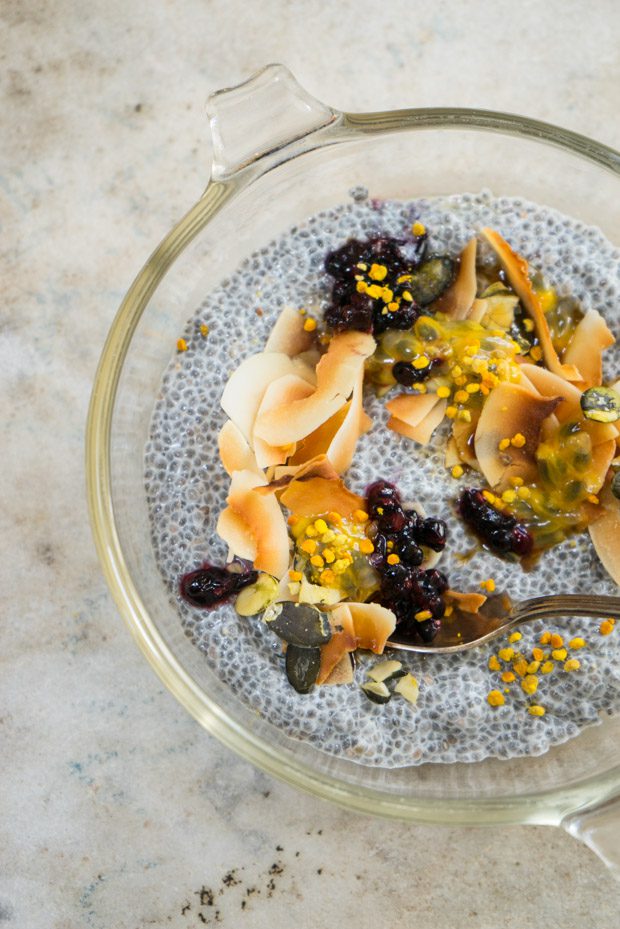
Make chia pudding
Mix into yogurt
Sprinkle over salads
Sabja Seeds:
Add to lemon water
Use in summer drinks
Mix in falooda
Combine with milk beverages
Both are easy to incorporate into daily meals.
Who Should Choose Which?
Choose chia seeds if you:
Want higher omega-3
Need extra protein
Prefer versatile usage
Choose sabja seeds if you:
Experience acidity
Want quicker soaking
Prefer traditional digestive remedies
The final decision in chia seed vs sabja seeds depends on personal health goals.
Final Thoughts
When comparing chia seed vs sabja seeds, both offer impressive nutritional benefits. Chia seeds provide more omega-3 and protein, making them popular in Western diets. Sabja seeds are traditionally valued for digestive and cooling benefits.
Rather than choosing one exclusively, you can include both in your diet depending on your needs. Moderation and proper soaking are key to maximizing their benefits.
Both seeds are simple, affordable, and nutrient-dense additions to a balanced lifestyle.
Disclaimer
This article is for informational purposes only and does not replace professional medical advice. Consult a healthcare provider before making significant dietary changes, especially if you have underlying health conditions.