Best Food for Weight Loss: A Complete Science-Backed Diet & Lifestyle Guide
Healthy weight loss is not about starving, skipping meals, or following extreme diet trends. Sustainable fat loss happens when you understand what to eat, how much to eat, and how your body uses calories. Choosing the best food for weight loss means selecting foods that keep you full, support metabolism, and help you maintain energy throughout the day.
This guide explains weight-loss-friendly foods, how they work, and how to structure your daily diet for long-term results.
How Weight Loss Actually Works (Calories & BMR Explained)
Every human body requires a minimum number of calories to stay alive. This is called Basal Metabolic Rate (BMR). BMR covers essential functions like breathing, blood circulation, and organ activity.
Your BMR depends on:
Age
Gender
Height
Body weight
Once daily activity is added (walking, working, exercise), total calorie needs increase. To lose fat, you must consume slightly fewer calories than your body burns.
Healthy Calorie Deficit Rule
A 400–500 calorie deficit per day is considered safe and effective. Extreme calorie cuts often lead to muscle loss, hormonal imbalance, and rebound weight gain.

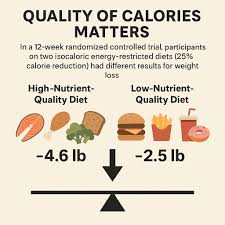
Why Food Quality Matters More Than Just Calories
Not all calories affect the body in the same way. Some foods increase hunger, while others naturally reduce appetite and boost metabolism.
Weight-loss-friendly foods usually:
Are high in protein or fiber
Have a high thermic effect
Support stable blood sugar levels
Improve digestion and gut health
This is why focusing on whole, minimally processed foods is essential.
High-Protein Foods That Promote Fat Loss
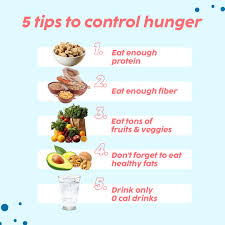
Protein is one of the most important nutrients for weight management. It increases fullness, reduces hunger hormones, and helps preserve lean muscle during calorie restriction.
Best High-Protein Options
Eggs
Skinless chicken breast
Fish like salmon and tuna
Greek yogurt
Paneer and tofu
Lentils and chickpeas
Including protein in every meal can significantly improve fat loss outcomes while keeping you full for longer.
Fiber-Rich Foods That Keep You Full
Dietary fiber slows digestion, stabilizes blood sugar, and reduces overeating. High-fiber foods are essential when selecting the best food for weight loss.
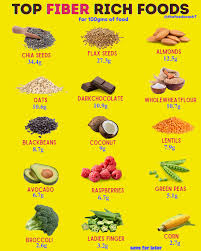
Top Fiber Sources
Oats and whole grains
Brown rice and quinoa
Fruits like apples, berries, and pears
Vegetables such as broccoli, spinach, and carrots
Seeds like chia and flax
Fiber also supports gut health, which plays a growing role in weight regulation.
Healthy Fats That Promote Weight Loss
Contrary to popular belief, fats do not cause weight gain when consumed in moderation. Healthy fats improve satiety and reduce cravings.
Smart Fat Choices
Avocados
Olive oil
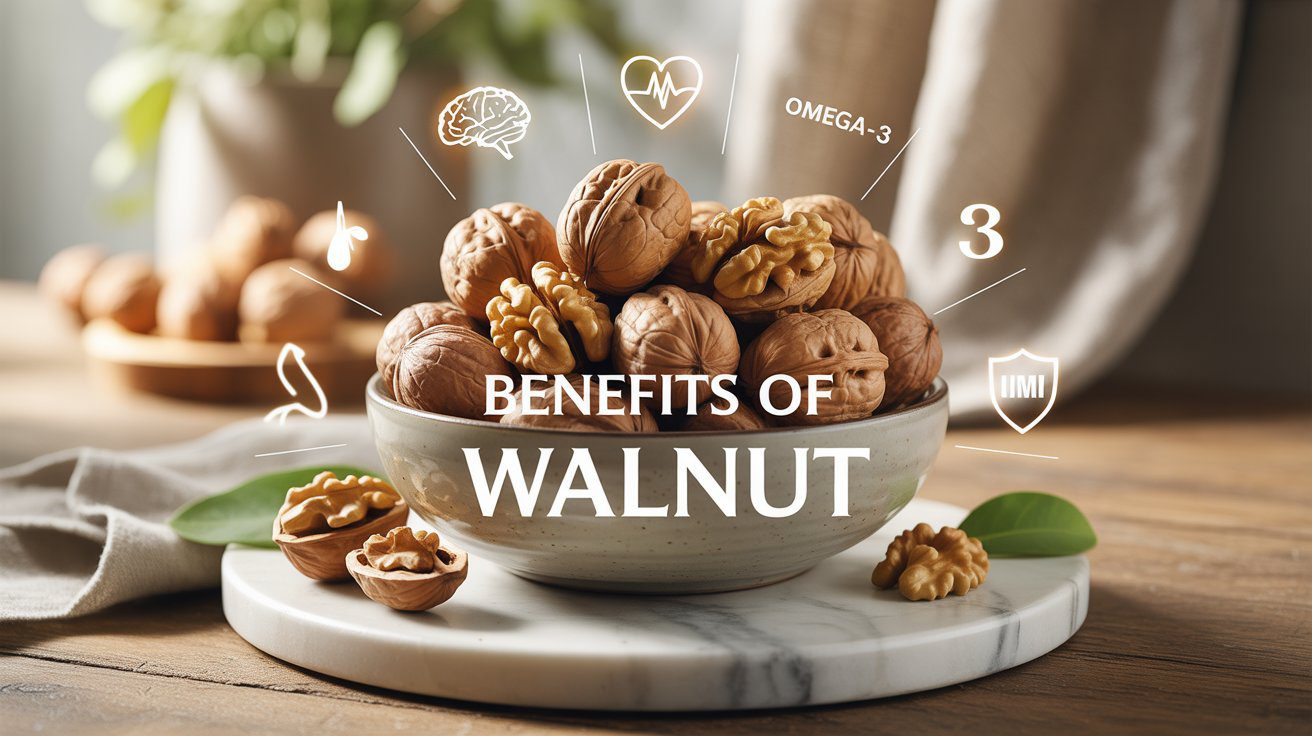
Nuts and seeds
Fatty fish
These fats help regulate hormones and make meals more satisfying, reducing the urge to snack unnecessarily.
Low-Calorie Vegetables for Volume Eating
Vegetables are among the most effective foods for fat loss because they are low in calories but high in nutrients.
Best Vegetables for Weight Loss
Cucumber
Zucchini
Leafy greens
Cauliflower
Bell peppers
They allow you to eat larger portions while staying within calorie limits—a strategy known as volume eating.
Fruits That Help Control Cravings
Fruits contain natural sugars, but they also provide fiber, antioxidants, and hydration. When eaten whole, fruits can support weight loss rather than hinder it.
Weight-Loss-Friendly Fruits
Berries
Grapefruit
Apples
Oranges
These fruits have a low glycemic load and help satisfy sweet cravings in a healthier way.
Whole Grains vs Refined Carbs
Not all carbohydrates are bad. The key is choosing complex carbohydrates over refined ones.
Better Carb Choices
Brown rice
Millets
Quinoa
Whole wheat
These carbs digest slowly and provide sustained energy without blood sugar spikes.
Foods to Limit During Weight Loss
While focusing on healthy choices, it’s equally important to reduce foods that hinder progress.
Avoid or Minimize
Sugary drinks
Fried foods
Refined flour products
Packaged snacks
Excess alcohol
These foods are calorie-dense and nutritionally poor, making weight loss harder.
Sample Daily Meal Plan for Weight Loss
Breakfast:
Oats with Greek yogurt and berries
Lunch:
Grilled chicken or paneer with mixed vegetables
Snack:
Fruit with nuts
Dinner:
Lentil soup with sautéed greens
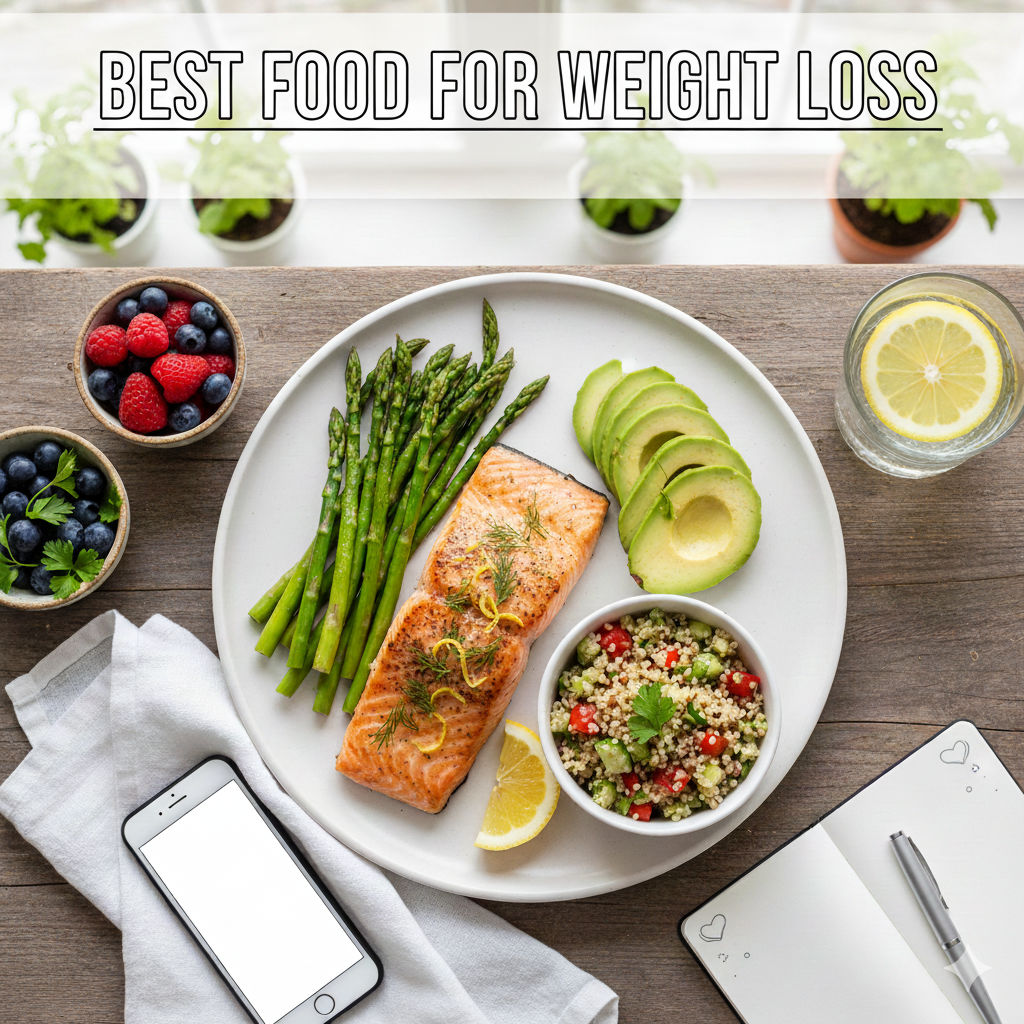
This balanced approach includes protein, fiber, and healthy fats—key components of effective weight loss nutrition.