Still Craving Junk Snacks? Benefits of Makhana That Can Transform Your Snacking Habits
Table of Contents
We all get those mid-day or late-night cravings. Chips, fried snacks, sugary treats — they’re tempting, quick, and satisfying in the moment. But over time, these choices impact energy levels, weight, and overall health.
What if there was a crunchy, light, and nutritious alternative?
That’s where understanding the benefits of makhana becomes interesting. Also known as fox nuts or lotus seeds, makhana has been part of traditional diets for centuries. Today, it’s gaining popularity as a modern healthy snack option.
Let’s explore why this humble seed deserves a place in your kitchen.

What Is Makhana?
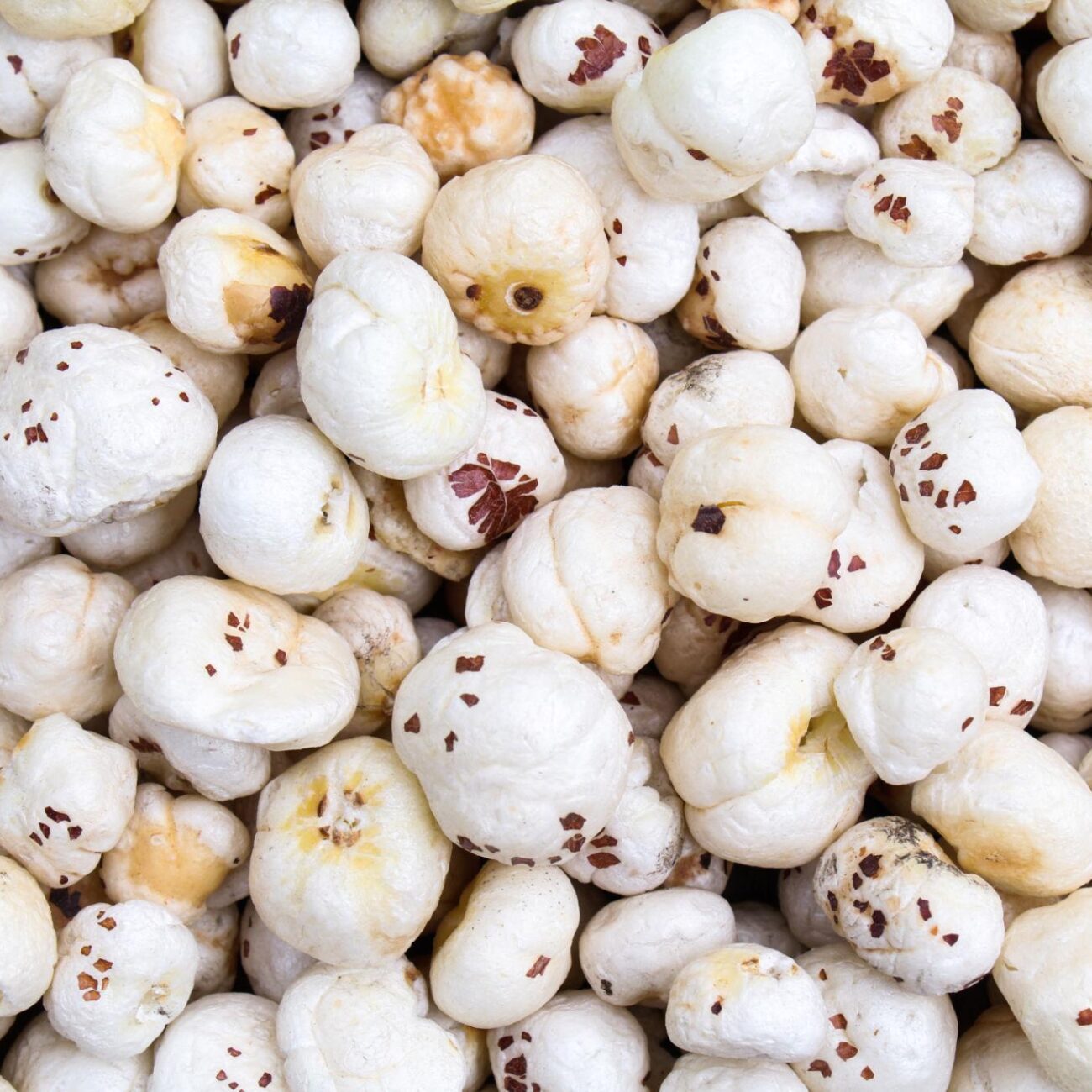
Makhana comes from the seeds of the lotus plant (Euryale ferox). After harvesting, the seeds are dried and roasted to create the light, puffed snack many people enjoy.
They are commonly consumed:
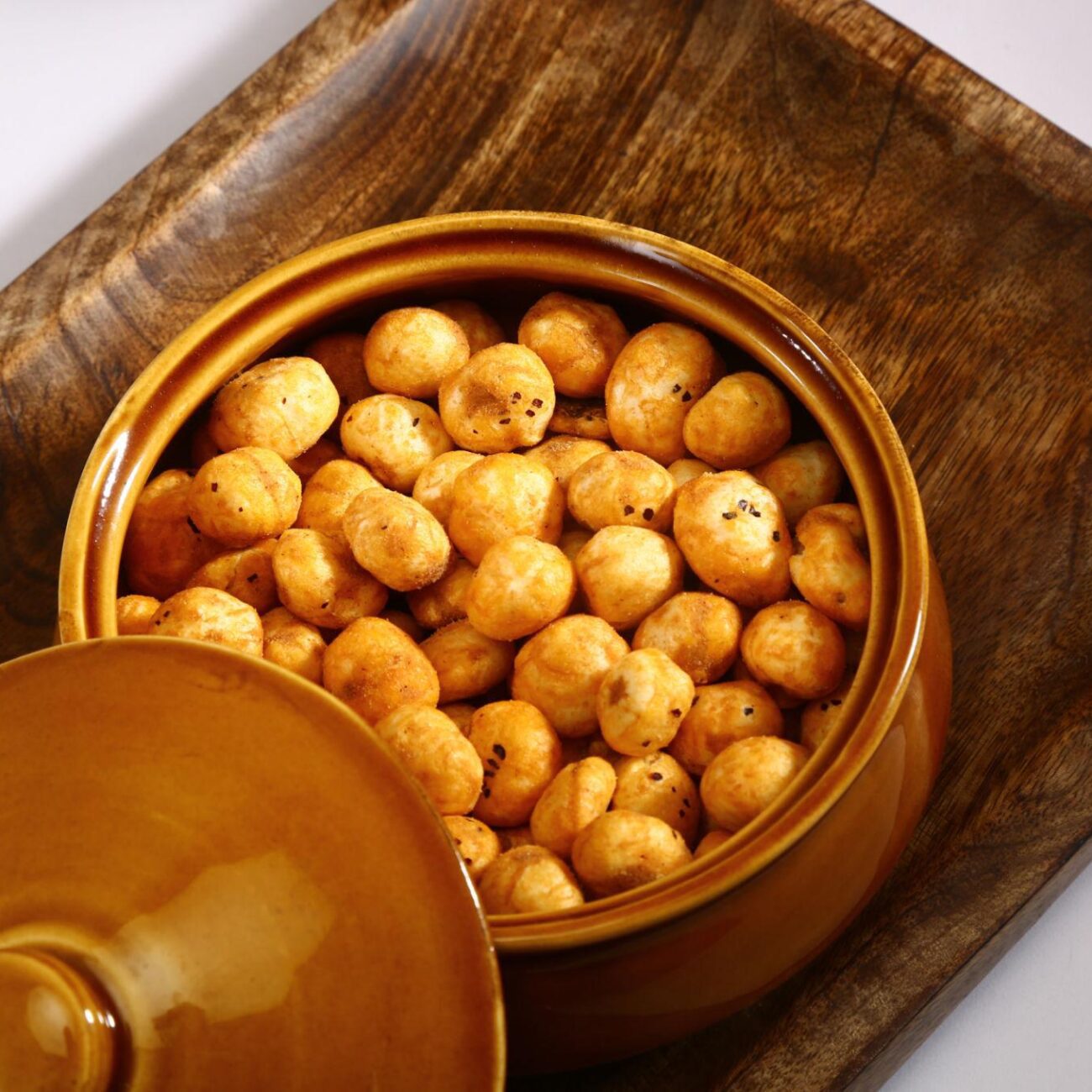
Roasted with spices
Added to curries
Used in desserts
Mixed into trail snacks
Makhana is known for being light yet filling.
Nutritional Value of Makhana (Per 100g)
Calories: 340–350 kcal
Protein: 9–10g
Carbohydrates: 75g
Fiber: 7–8g
Fat: 0.5–1g
Magnesium, potassium, and phosphorus
Despite being carbohydrate-rich, makhana is low in fat and contains moderate protein and fiber.
Benefits of Makhana for Overall Health
1️⃣ Supports Weight Management
One of the most talked-about benefits of makhana is its role in weight control.
Why it helps:
-
Low in fat
-
Provides fiber
-
Promotes satiety
-
Helps reduce unhealthy snacking
When roasted with minimal oil, makhana can be a smart alternative to fried snacks.
2️⃣ May Help Maintain Heart Health
Makhana contains magnesium and potassium, minerals that support heart function and blood pressure balance.
A balanced diet that includes nutrient-dense snacks may contribute to cardiovascular wellness.
3️⃣ Supports Blood Sugar Balance
Makhana has a relatively low glycemic index compared to many processed snacks.
Because it releases energy slowly, it may help avoid sudden blood sugar spikes when consumed in moderation.
Individuals managing diabetes should still monitor portion sizes and consult healthcare professionals.
4️⃣ Rich in Antioxidants
Antioxidants help neutralize free radicals in the body. Some studies suggest that lotus seeds contain compounds that may support cellular health.
This contributes to the overall benefits of makhana in maintaining general wellness.
5️⃣ Good Source of Plant-Based Protein
With around 9–10 grams of protein per 100g, makhana offers moderate plant protein.
While not a complete protein source, it can complement other protein-rich foods in vegetarian diets.
6️⃣ Supports Digestive Health
The fiber content in makhana supports healthy digestion and bowel movement regularity.
Fiber also promotes gut health and contributes to feeling full for longer periods.
7️⃣ May Promote Better Sleep
Makhana contains small amounts of compounds believed to support relaxation. Traditionally, it has been consumed warm with milk before bedtime in some cultures.
Though more research is needed, many people consider it a light, soothing evening snack.
Is Makhana Good for Daily Consumption?
Yes, when eaten in moderation.
A portion of 25–30 grams (a small bowl) is usually sufficient as a snack. Overeating any food — even healthy options — can add excess calories.
Balance remains important.
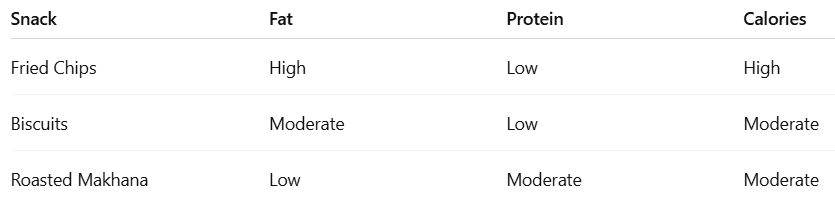
Makhana vs Other Snack Options
Compared to many packaged snacks, makhana is lighter and less processed.
How to Include Makhana in Your Diet
Roast with turmeric and black pepper
Mix with nuts and seeds
Add to yogurt bowls
Use in kheer (dessert)
Blend into powdered form for curries
Simple preparation keeps it nutritious.
Who Should Consider Eating Makhana?
Individuals aiming for weight management
People seeking healthier snack alternatives
Vegetarians needing plant-based protein options
Those reducing fried food intake
However, people with specific dietary restrictions should consult professionals.
Common Myths About Makhana
❌ It’s just another carb snack
While it contains carbohydrates, it also provides fiber and minerals.
❌ It has zero calories
Like all foods, it contains calories and should be portion-controlled.
❌ It replaces balanced meals
Makhana works best as a snack, not a meal substitute.
Final Thoughts
Understanding the benefits of makhana highlights why this traditional snack is gaining modern attention. Light, crunchy, and nutrient-rich, it provides fiber, plant-based protein, and essential minerals.
When roasted properly and eaten in moderation, makhana can fit into weight management plans and balanced diets. It’s not a magic food — but it’s certainly a smarter snacking choice.
Making small, sustainable dietary changes can create long-term health benefits.