
Feeling Tired, Aging Faster, or Getting Sick Often? These Antioxidant-Rich Foods Help
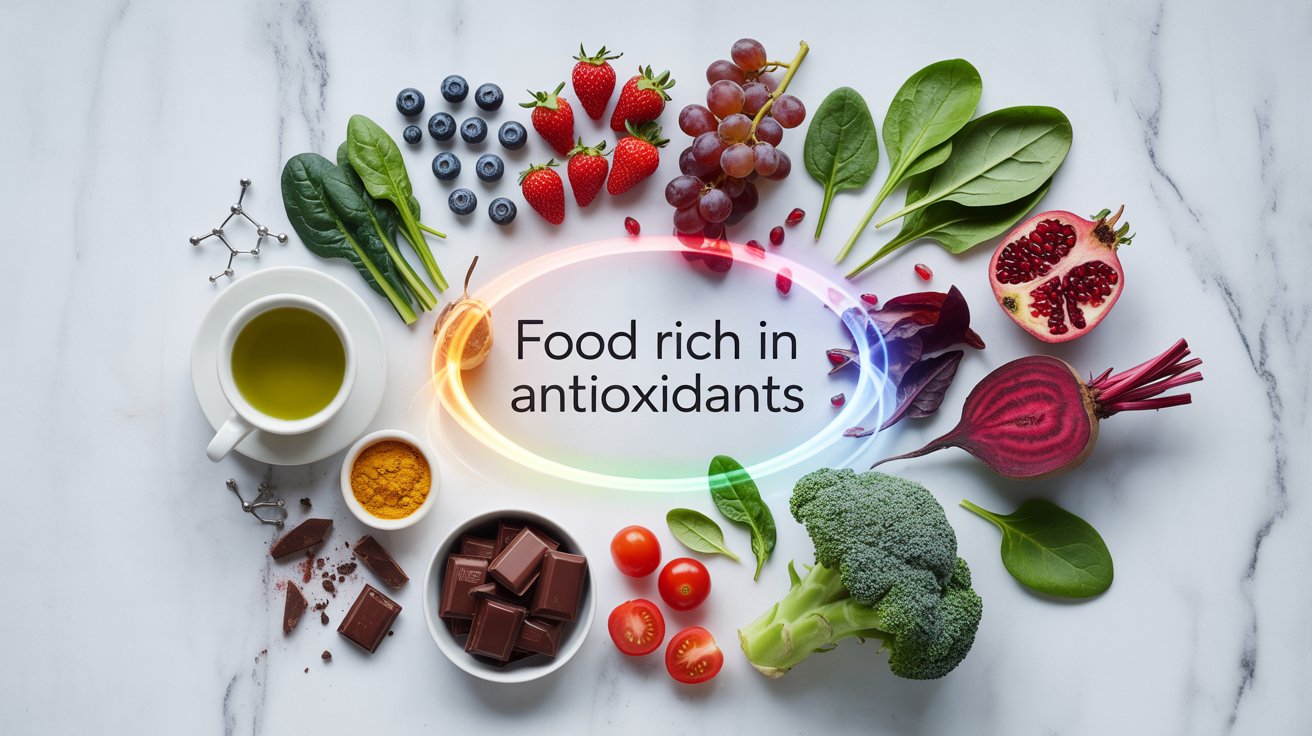
Table of Contents
Modern lifestyles expose our bodies to more stress than ever before. Pollution, processed food, lack of sleep, emotional stress, and screen-heavy routines all contribute to internal damage at the cellular level. While these effects may not be visible immediately, they slowly impact immunity, skin health, energy levels, and long-term wellness.
This is where food rich in antioxidants becomes essential. Antioxidants act as protective compounds that help your body fight internal damage and maintain balance. Including them regularly in your diet is not about following a trend—it’s about supporting your body at a foundational level.
Let’s understand what antioxidants are, how they work, and which foods naturally provide them.
What Are Antioxidants and How Do They Work?
Antioxidants are natural substances found in many whole foods, especially plant-based ones. Their main role is to protect your cells from oxidative stress.
Oxidative stress occurs when harmful molecules called free radicals build up in the body. These free radicals are produced due to:
Environmental pollution
Smoking and alcohol
Chronic stress
Poor dietary habits
Exposure to sunlight and toxins
Antioxidants neutralize these free radicals, helping reduce cellular damage and supporting normal body functions.
Why Food Rich in Antioxidants Matters
Your body does produce some antioxidants naturally, but this internal supply is often not enough to handle daily exposure to stressors. That’s why diet plays a critical role.
Regular consumption of antioxidant-rich foods helps:
Strengthen the immune system
Reduce inflammation
Support heart and brain health
Protect skin from premature aging
Improve overall energy and recovery
A balanced diet with food rich in antioxidants supports long-term health rather than quick fixes.
Different Types of Antioxidants in Food
Antioxidants are not a single compound. They exist in many forms, each offering unique health benefits.
Major Antioxidant Categories
Vitamin C – supports immunity and skin health
Vitamin E – protects cell membranes
Beta-carotene – supports vision and skin
Flavonoids – reduce inflammation
Polyphenols – support heart and brain health
Selenium – helps defend against oxidative damage
Eating a variety of foods ensures you get a wide spectrum of these compounds.
Fruits That Are Naturally Rich in Antioxidants
Fruits are one of the easiest and tastiest ways to increase antioxidant intake.
Berries
Blueberries, strawberries, and blackberries are loaded with antioxidants that support brain health and reduce inflammation. They are also rich in fiber, making them ideal for digestion.
Citrus Fruits
Oranges, lemons, and grapefruits are well known for their vitamin C content, which helps strengthen immune defenses and maintain healthy skin.
Pomegranate
Pomegranate contains powerful plant compounds that support heart health and protect cells from oxidative stress.
Apples
Apples provide flavonoids that may help reduce inflammation and support overall wellness.
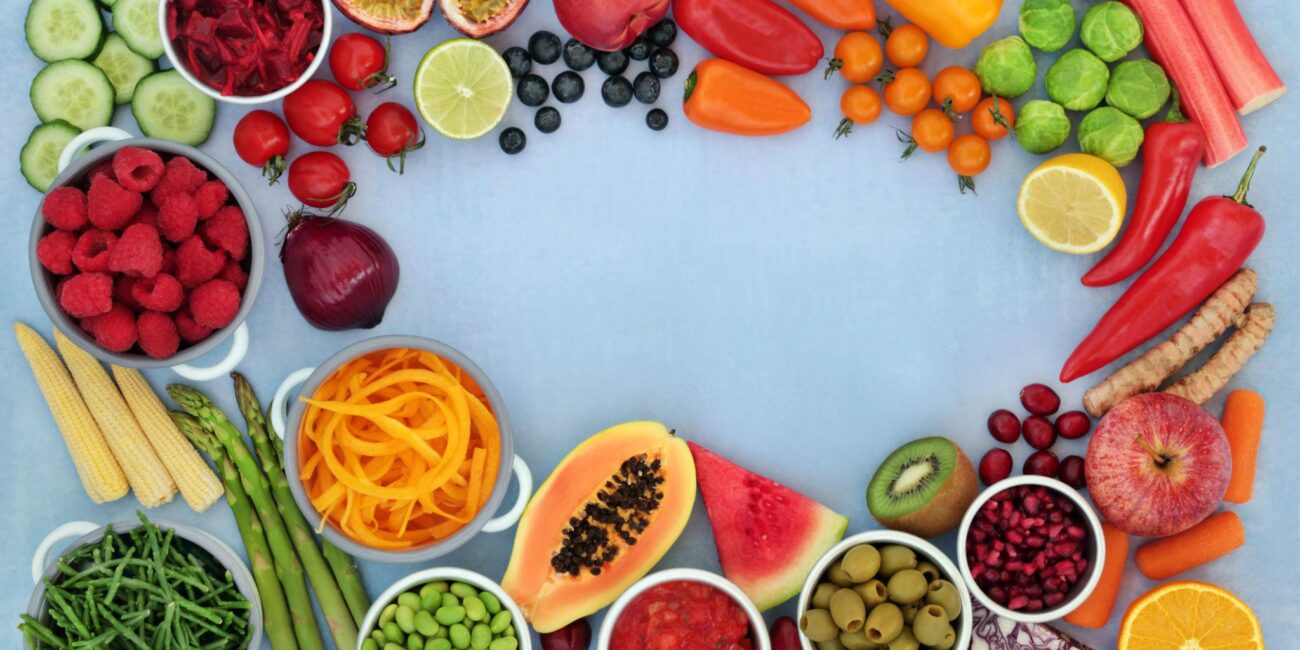
Including fruits daily adds natural sweetness along with food rich in antioxidants.
Vegetables High in Antioxidant Compounds
Vegetables contribute both antioxidants and essential nutrients without excess calories.
Leafy Greens
Spinach, kale, and other greens are high in beta-carotene and vitamin C, supporting eye health and immunity.
Broccoli
Broccoli contains protective compounds that help support detox processes and cellular health.
Bell Peppers
Brightly colored peppers are rich in antioxidants that help fight inflammation and protect skin cells.
Carrots
Carrots are well known for their beta-carotene content, which supports vision and skin health.
Adding a variety of vegetables ensures consistent antioxidant intake.
Nuts, Seeds, and Plant Proteins
Antioxidants are not limited to fruits and vegetables.
Nuts
Almonds and walnuts provide vitamin E and healthy fats that protect cells from damage.
Seeds
Sunflower and flax seeds contain antioxidants that support heart and skin health.
Legumes
Beans, lentils, and chickpeas offer polyphenols along with fiber and plant protein, supporting digestion and metabolic balance.
These foods make food rich in antioxidants more accessible and filling.
Whole Grains and Antioxidants
Whole grains contain more antioxidants than refined grains because they retain their natural outer layers.
Oats
Oats contain unique antioxidant compounds that support heart health and reduce inflammation.
Brown Rice
Brown rice provides antioxidants along with fiber, helping regulate digestion and blood sugar.
Switching to whole grains is a simple way to improve diet quality.
Herbs, Spices, and Drinks with Antioxidants
Some of the most powerful antioxidants come from small but frequent additions.
Turmeric
Turmeric contains curcumin, known for its strong anti-inflammatory properties.
Ginger
Ginger supports digestion and helps combat oxidative stress.
Green Tea
Green tea is rich in catechins, which support metabolism and heart health.
Dark Chocolate
Dark chocolate with high cocoa content provides antioxidants when consumed in moderation.
These additions can significantly boost food rich in antioxidants without major dietary changes.
Antioxidants and Immune Health
Antioxidants help protect immune cells from damage, allowing them to function more effectively. Nutrients like vitamin C and polyphenols play a role in improving the body’s response to infections and stress.
A consistent antioxidant-rich diet supports immunity over time.
Antioxidants and Skin Health
Oxidative stress is a major contributor to skin aging. Antioxidants help protect skin cells from environmental damage.
Benefits include:
-
Improved skin tone
-
Reduced appearance of fine lines
-
Better elasticity
-
Protection from sun-related damage
This is why diets rich in antioxidants are often linked to healthier-looking skin.
Heart Health and Antioxidants
Antioxidants help reduce inflammation and protect blood vessels from damage. This supports healthy circulation and cholesterol balance.
People who regularly consume antioxidant-rich foods often show better cardiovascular health markers.
Food vs Supplements: What’s Better?
Whole foods are always the preferred source. They provide antioxidants along with fiber, vitamins, and minerals that work together naturally.
High-dose supplements may not offer the same benefits and, in some cases, may even disrupt balance. Food remains the safest and most effective option.
Simple Ways to Add More Antioxidant Foods
Add fruits to breakfast or snacks
Fill half your plate with vegetables
Choose whole grains over refined ones
Use herbs and spices while cooking
Replace packaged snacks with nuts or seeds
Small, consistent changes make food rich in antioxidants part of daily life.
Common Misunderstandings About Antioxidants
Myth: More antioxidants mean faster results
Truth: Long-term consistency matters most
Myth: Only exotic foods contain antioxidants
Truth: Many everyday foods are excellent sources
Myth: Supplements are necessary
Truth: Whole foods provide better absorption
Final Thoughts
Choosing food rich in antioxidants is one of the simplest and most natural ways to support overall health. These foods protect your body at the cellular level, strengthen immunity, support heart and brain health, and slow down signs of aging.
You don’t need expensive superfoods or strict diets. A colorful, balanced plate filled with fruits, vegetables, whole grains, nuts, seeds, and spices can provide powerful protection over time.
Healthy eating isn’t about perfection—it’s about consistency and smart choices.