
Is Beer Good for Kidney Stones? Facts, Myths, and What You Should Really Know
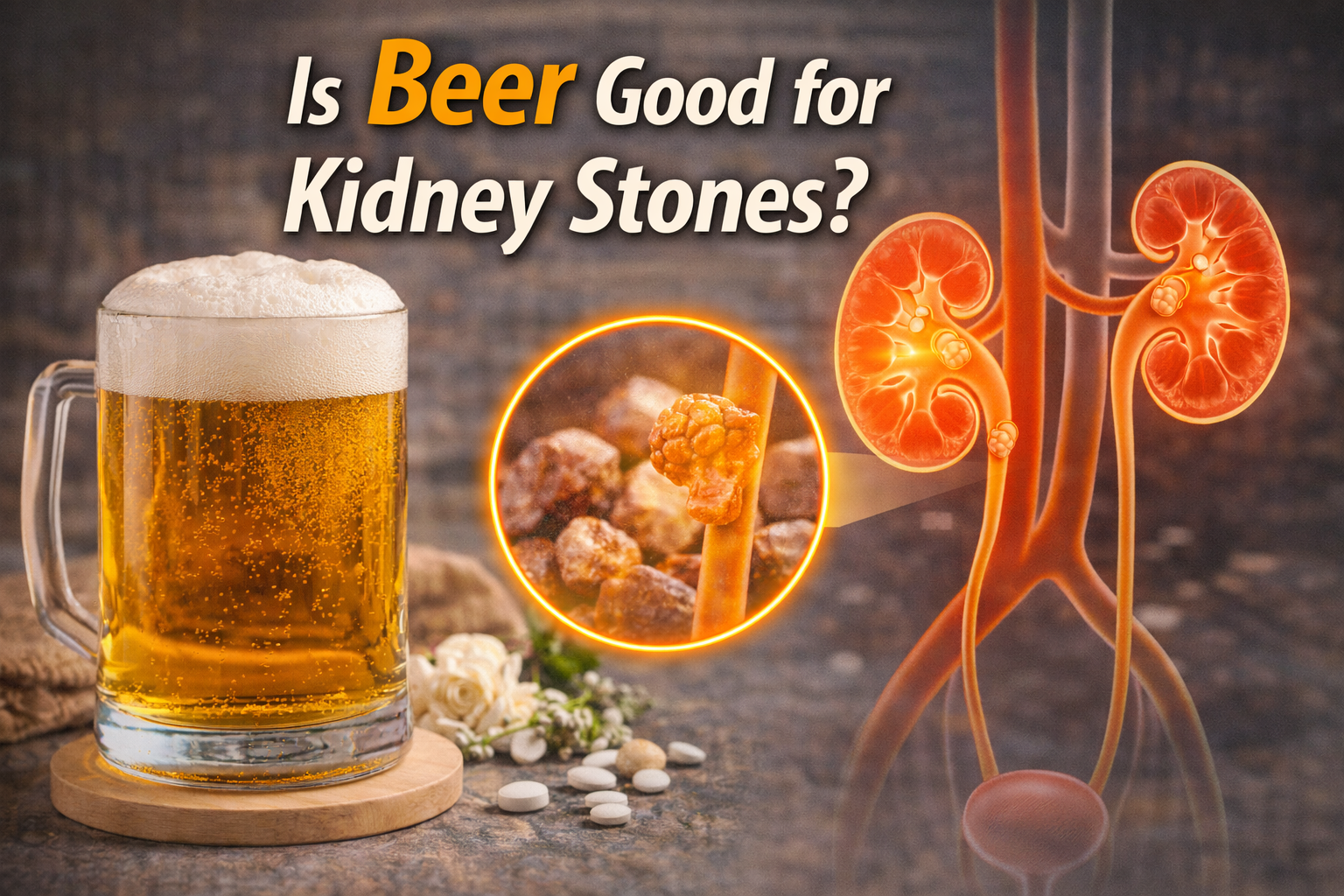
Kidney stones are extremely painful—and anyone who has experienced them knows how desperate the search for relief can become. In that search, you may have come across a surprising claim: is beer good for kidney stones?
Some people believe beer helps flush stones out, while others warn it may make things worse. So what’s the truth?
In this blog, we’ll break down the science, myths, and real-world facts behind beer and kidney stones. You’ll learn how kidney stones form, how alcohol affects the kidneys, whether beer has any actual benefit, and what doctors generally recommend instead. This guide is meant to inform—not judge—and help you make safer, smarter decisions for your kidney health.
If kidney stones concern you or someone you care about, read this fully and consider sharing it.
Understanding Kidney Stones in Simple Terms
Kidney stones are hard mineral deposits that form when certain substances in urine—such as calcium, oxalate, or uric acid—become too concentrated.
Common causes include:
Low water intake
High salt or protein diet
Excess oxalates
Dehydration
Metabolic or genetic factors
Once formed, stones can stay in the kidney or travel through the urinary tract, causing severe pain.
Why People Ask: Is Beer Good for Kidney Stones?
The idea that beer helps kidney stones comes from two main beliefs:
Beer increases urine production
Alcohol is thought to “flush out” stones
Because beer is mostly water and acts as a mild diuretic, some people assume it helps stones pass more easily. But the reality is more complex.
How Beer Affects the Kidneys
To answer is beer good for kidney stones, we need to understand how beer interacts with kidney function.
Beer contains:
Alcohol
Water
Purines (which affect uric acid)
Calories
Alcohol causes temporary increased urine output, but it also leads to dehydration later, which is a major risk factor for kidney stones.
Can Beer Help Flush Out Kidney Stones?
The short answer: Not reliably, and not safely.
While beer may increase urine flow temporarily, it does not:
Break kidney stones
Dissolve stones
Prevent stone formation
In fact, the dehydration effect after alcohol consumption may increase the risk of stone growth.
So when asking is beer good for kidney stones, the answer depends on timing, quantity, and individual health—but overall, it’s not a recommended solution.
Beer and Different Types of Kidney Stones
Not all kidney stones are the same.
1. Calcium Oxalate Stones (Most Common)
Beer does not reduce oxalate or calcium buildup. Excess alcohol may worsen mineral imbalance.
2. Uric Acid Stones
Beer contains purines, which increase uric acid levels—potentially worsening uric acid stones.
3. Struvite or Cystine Stones
Beer provides no benefit for these types and may increase dehydration risk.
In many cases, beer may actually do more harm than good.
Why the “Beer Cures Kidney Stones” Myth Exists
This myth survives because:
Some people coincidentally passed small stones after drinking beer
Increased fluid intake helped—not the beer itself
Old anecdotal beliefs spread faster than medical facts
Correlation is not causation. Just because something happened after beer consumption doesn’t mean beer caused it.
Medical View: What Doctors Actually Say
Lorem ipsum dolor sit amet, consectetur adipiscing elit. Ut elit tellus, luctus nec ullamcorper mattis, pulvinar dapibus leo.
From a medical perspective:
-
Doctors do not recommend alcohol as a treatment
-
Hydration is key, but water is safest
-
Alcohol complicates kidney function and electrolyte balance
Most healthcare professionals agree that beer is not a treatment strategy for kidney stones.
Is Occasional Beer Safe If You Have Kidney Stones?
This is where nuance matters.
In moderation, beer may be:
Acceptable for some people
Less risky than spirits
Not a direct trigger in small amounts
However:
It should never replace water
It should not be used intentionally to “flush” stones
People with recurring stones should be extra cautious
So if you’re wondering is beer good for kidney stones, think of it this way: it’s not medicine, and it’s not prevention.
Why Water Is Always Better Than Beer
When it comes to kidney stones, nothing beats water.
Benefits of water:
Dilutes stone-forming minerals
Prevents dehydration
Supports kidney filtration
Has zero side effects
Most guidelines recommend 2.5–3 liters of water daily, depending on climate and activity.
Healthier Alternatives That Actually Help
Instead of beer, consider these options:
✔️ Lemon Water
Contains citrate, which helps prevent stone formation.
✔️ Coconut Water (in moderation)
Supports hydration without alcohol.
✔️ Plain Water with Balanced Diet
The most effective long-term solution.
Lifestyle Habits That Reduce Kidney Stone Risk
Preventing stones is easier than treating them.
Helpful habits:
Stay well hydrated
Reduce excess salt intake
Limit high-oxalate foods if advised
Maintain healthy body weight
Avoid excessive alcohol
No drink—beer included—can compensate for poor hydration habits.
Common Myths About Beer and Kidney Stones
Myth: Beer dissolves kidney stones
Truth: Stones do not dissolve with alcohol
Myth: Alcohol cleanses the kidneys
Truth: Alcohol strains kidney function
Myth: Beer is better than water
Truth: Water is always superior for kidney health
When Beer Can Be Harmful for Kidney Health
Avoid beer if you:
Have frequent kidney stones
Have uric acid stones
Have kidney disease
Are dehydrated often
Are advised by a doctor to avoid alcohol
Listening to medical guidance is always safer than following myths.
Final Answer: Is Beer Good for Kidney Stones?
So, is beer good for kidney stones?
No, beer is not a treatment or preventive solution.
Hydration helps—beer does not.
Water, diet, and medical advice matter most.
While an occasional beer may not cause immediate harm for everyone, using it as a kidney stone remedy is neither effective nor recommended.
Final Thoughts: Choose Facts Over Myths
Kidney stones are painful, but misinformation makes them worse. When it comes to kidney health, simple habits beat shortcuts every time.
If this blog cleared your doubts, please share it with someone who believes beer helps kidney stones. Correct information can prevent unnecessary pain—and protect long-term health.
Medical Disclaimer
This article is for educational purposes only and does not replace professional medical advice. Always consult a qualified healthcare provider for diagnosis and treatment of kidney stones.